BELFAST’S not renowned for its large farming community, and since the protests that took place across the north this week consisted almost entirely of farm vehicles, disruption in the city was kept to a minimum. Sydenham in East Belfast saw a small convoy of tractors cause disruption around the City Airport, but not only was the Westlink kept open, even the usual rush-hour traffic jam failed to materialise.
Very few of us have a problem with the stated core of the farmer/trucker fuel protest: the pressing need for a rescue package as the two industries are brought to their knees by the massive global economic shock caused by the United States and Israel’s lunatic adventurism.
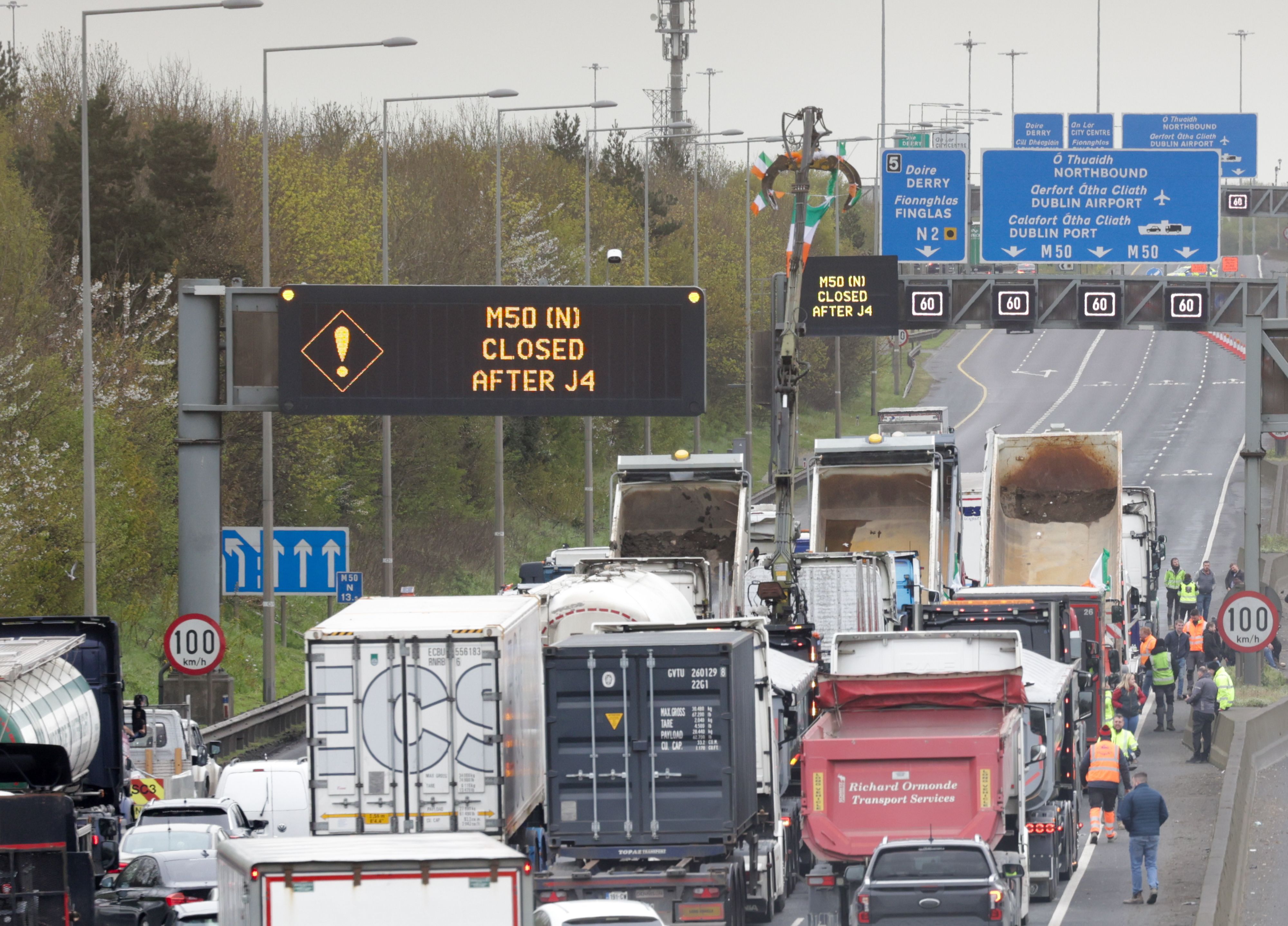
The protests down south – which provided the template for Tuesday afternoon’s events – ended in a half-billion Euro rescue package and if the Executive and London can between them work out an accommodation with the farming and transport industries that helps these two vital parts of our economy that is to be welcomed.

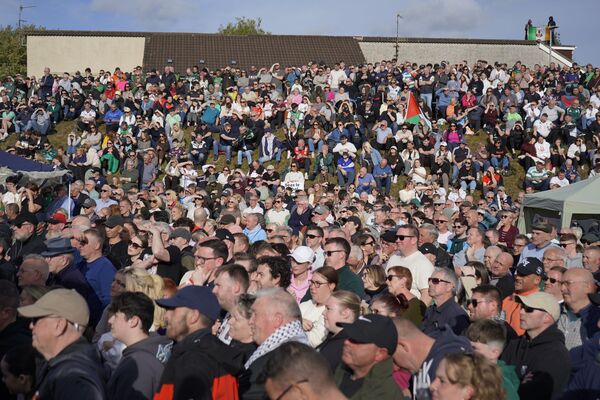
But – and there’s always a but – the protests down south provided us with a salutary warning about what can happen when outside forces spot an opening. For there’s no doubt that the far-right attached itself like a limpet to the cause of hard-working, struggling men and women. We saw that in the chasing of progressive political reps away from protest locations and the appearance of sinister anti-immigrant, misogynistic conspiracy theorists on the protest line without let or hindrance, some of them even given a spot on the speakers’ rostrums.
Entryism – the furtive occupation of important societal spaces by political activists – was for many decades in the 20th century a Bolshevik/socialist strategy. But the burgeoninging of the populist right across Europe has seen crypto fascists connected to emerging hardline parties and raucous and aggressive online platforms place themselves at the shoulder of concerned citizens to leech on their credibility vulnerability. Nowhere has that process been more clearly seen than in the Republic, where local concern about migrant facilities in population centres has been so effectively exploited in recent years by the far right that protests morphed into riots and pickets of premises where violent rhetoric was the rule, not the exception.
We have precisely zero idea of who organised Tuesday’s patchy and generally ineffective fuel protests across the north – and therein lies a problem. The Ulster Farmers’ Union was not involved, freight industry representatives had no hand in it. And when hidden hands are at work then concern and suspicion will inevitably emerge. We saw no evidence on Tuesday that the right or far-right has latched on to the nascent movement, but then the six-feet tractor wheels have so far failed to gain traction. More protests are planned for Friday week. If they take hold, it is incumbent upon the protesters to maintain their integrity.