CATHERINE Connolly is undoubtedly a breath of fresh air to the Irish Presidency. Her daily lessons in how quiet respect can be more lasting, effective and powerful in a world dominated by the exact opposite qualities is something we can all be very proud of.
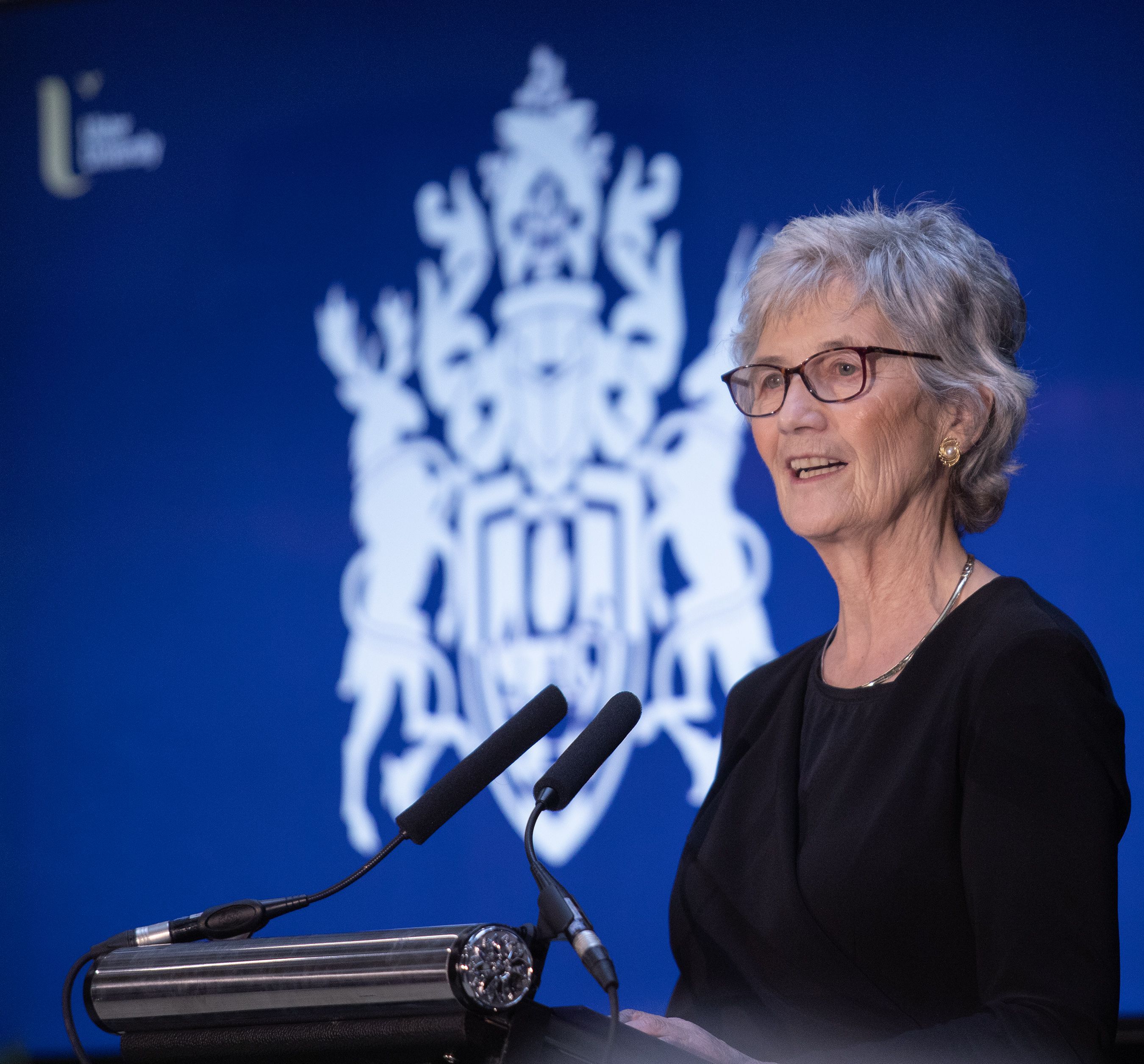
When Catherine Connolly spoke last week she delivered repeated victim-centred and responsive speeches which were a vital intervention in a space so often dominated by the interests of actors to the conflict. They also spoke to the ongoing injustice of the Legacy Act.
In recent months in Westminster and in newspaper columns there have been pleas for sensitivity to the feelings of veterans of the British army, casting those who might be asked questions about the killings of Irish citizens as victims. President Connolly’s words in Ulster University were a rebalance to that sordid effort.
“The conflict left its deep marks here in Northern Ireland in particular, but also across this island, in Britain and beyond," she said.
“Many families continue to live with grief and pain every day. It is a collective responsibility on us all to address properly the needs and the questions of the families most affected, wherever they are, with integrity and a determination to deliver truth, accountability and justice for them and for society.”
To most, these words might seem self-evident, but in the context of the attacks on victims' rights and the pressure on them and political parties to accept processes which are illegal and non-compliant with human rights, they are a seismic intervention at a particularly needed time. With non-judgmentalism, ethical care and respect for international legal standards, victims and survivors were once again restored to a dignified space. To include this approach and emphasis in all of her speeches must speak to the ongoing commitment of Dublin to all victims and survivors, irrespective of the circumstances in which their loved ones were killed.
Which is why Gregory Campbell’s stunt making the headlines was doubly unfortunate. The President’s itinerary was inclusive of all traditions, and her speeches were respectful of all experiences. Seeking the soundbite while going Paisley-lite on “You are in my country” was as small as it was ineffectual. Did anyone really think his feelings and identity were really hurt in Derry's Guildhall?
More seriously, though, where do the DUP think they get to by repeatedly replaying the snowballs-at-Lemass stunt of 1965? They know that the unionist-dominated state is gone. They know that the constitutional status of these six counties only remains British with the consent of the majority. They know that the current impasse on the exercise of our right to determination will end in a relatively short time. Why do they play to their increasingly small and irrelevant galleries instead of building real and meaningful working relationships and partnerships? Why do they refuse to build understanding of shared experiences of conflict? Why are they repeatedly so hateful when opportunities to display generosity and maturity present themselves?
We can guess at the answers to this, but ultimately that is fruitless. For every Gregory Campbell being rude moment, there are 100 moments of shared schools, cross-community Irish language classes, small groups of people sharing experience and engaged in building and fostering new relationships. All contributing to a new, shared Ireland being formed under our feet. Led by our gracious President from Galway.