IN this century law and society has determined that definitions of sexual violence are expanded to include the range of harms actually experienced, to ensure victims are at the heart of processes, rather than traditionally disbelieved or diminished. Sadly, last week the lens by which sexual violence was discussed and examined was narrow and harming for many.
Up until recently because we did not recognise the differing forms taken by sexual violence and rape, and because actors operate to protect themselves, our conflict silenced and disregarded clear evidence of systemic sexual violence. Not including these harms in any legacy process would reinforce these victims’ harms and the devastating impact of their invisibility.

Sexual violence took numerous forms during the conflict. Men and women were affected by it, but primarily women.
There has not been enough research on it, and far too little attention drawn to it, but that which has been done identifies state and non-state actors involved in harming, public and private. And it is very clear that the militarised context protected abusers and victims were collateral damage.
Silence was the greatest tool of all in protecting the guilty. Ignominious names were given to forms of systemic abuse, not least “strip searching”, “forced confessions” and “consent”.
Children were called “young men” and “young women” to pretend that what was happening to them was anything other than violence, assault and rape, or that their age somehow mitigated the harm.
While the legacy debate has given a modicum of daylight to the experience of conflict-related sexual violence there is huge risk that rather than being a moment for healing and progressive discussion, where victims and survivors feel safe to come forward with their experiences, the violence of silence will be reinforced through harmful, reductive, exclusive and diminishing commentary.
Some of those subjected to violence were victim-blamed within their own community, where reporting was projected as “treasonous”, and state agencies charged with arresting and charging perpetrators instead recruited them as informers, using the violence as leverage. This environment reinforced devastating harms.
Some of those who were subjected to decades of ritual and deliberate sexual violation in the holding centres and prisons were suspected of or had been convicted of non-state conflict-related offences. That does not make those crimes less.
The violations included the inserting of objects, including barbed wire, into men’s anuses, leading to enduring physical and psychological injury, and forced removal of women’s sanitary products during menstruation, and forced internal “examinations” that led to lifetimes of fertility harm.
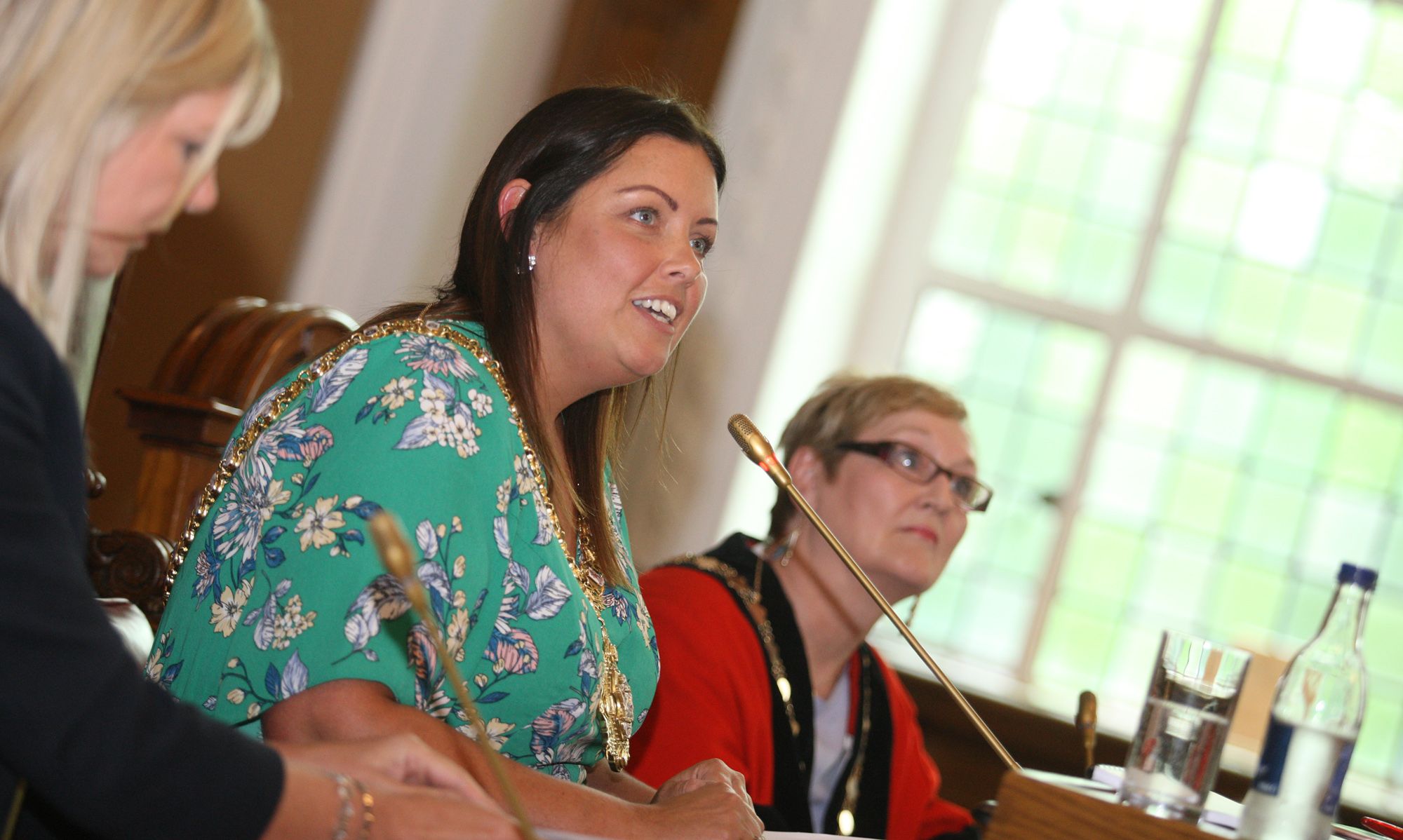
Deirdre Hargey MLA, when speaking of the impact of sexual violence on her father, felt forced to graphically explain his experience and the impact on him and her family. Despite the vitriol heaped on her, this testimony was courageous and contributory to our understanding of how the conflict was experienced by some men at the hands of the state. Masculinities often prevent men from explaining or seeking remedy for sexual violence. Ensuring we create safety, non-judgement and understanding is essential. That is not what the MLA for South Belfast met last week.
We must ensure that as we explore this issue we do so with compassion, law and without victim-blaming, or hierarchies. We need to ensure we listen to and respect those who explain how they experienced harm.
It can and must be done better.