IT'S a special bird that you’ll probably never see – and not just because it’s in decline.
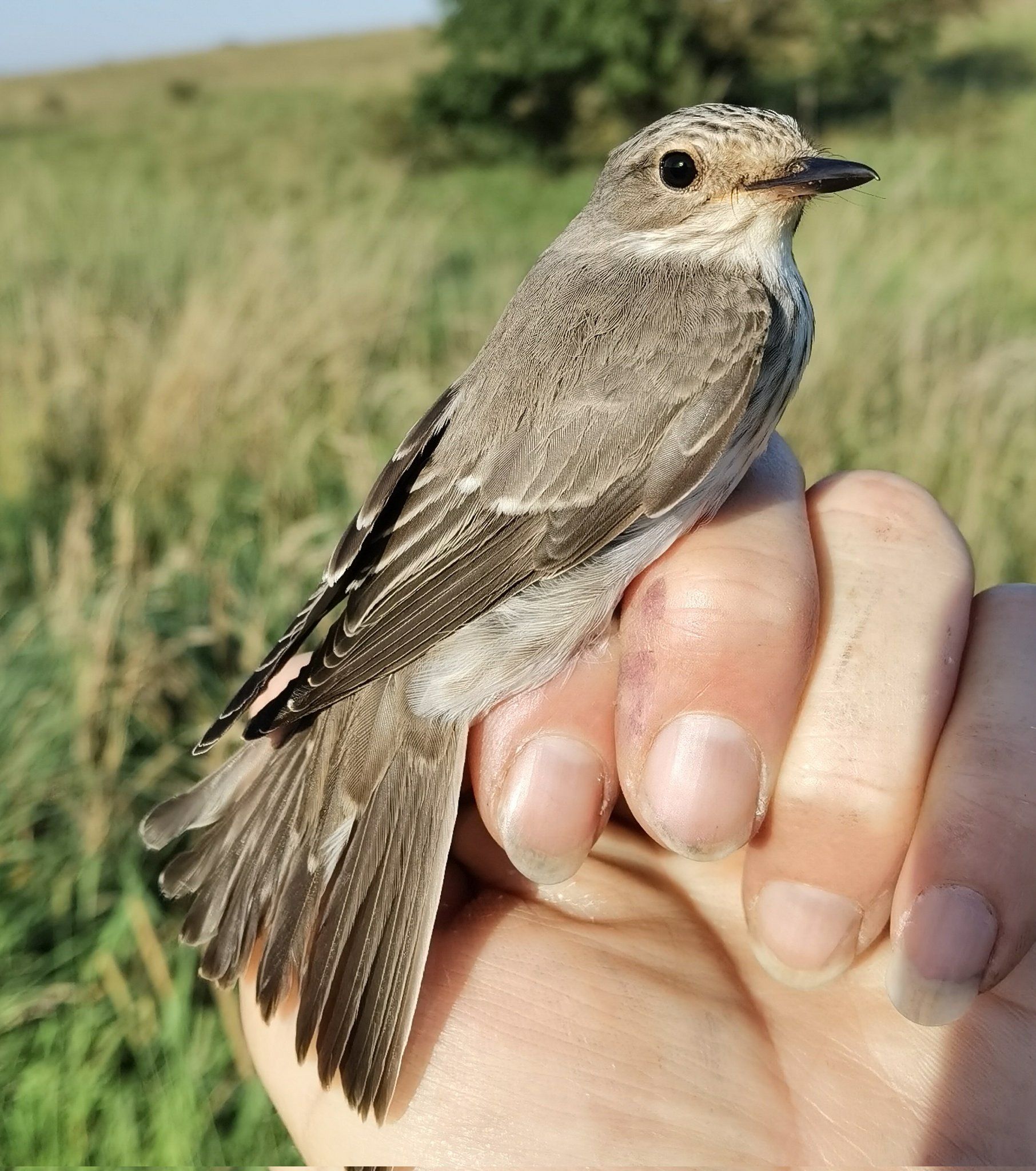
It's also pretty easy to overlook because the spotted flycatcher is a plain, even dull brown bird – but it’s far from ordinary. As its name suggests, it eats flies – catching passing insects by bouncing up from its perch before returning to the same twig.
A report published last month into the sharp decline of the spotted flycatcher reveals officially what we already knew – the crash in insect populations is having a devastating impact.
Agricultural intensification, not just here but across the world, means that there simply isn’t enough food for birds like the flycatcher and others like the cuckoo.
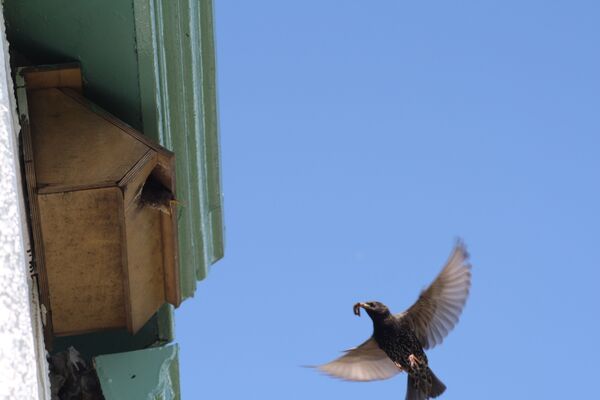
Both used to be common around Belfast just a few decades ago – Dúlra remembers finding a flycatcher’s nest in the railings of the old brewery on the Glen Road.

The last one Dúlra saw was in a churchyard at Glenavy just beside the river.
But that was a few years ago – they are now considered Ireland’s most rapidly declining migrant.
The Glenavy bird came to mind when the new report for the first time highlighted the importance of clean rivers for the flycatcher, cuilire liath in Irish. As insects have declined elsewhere, flycatchers have withdrawn to riverbanks where they are making a last stand.
But our freshwater habitats – many of them flowing into Lough Neagh – are far from perfect. It’s here the flycatchers should be able to find an abundance of insects. And so the authors of the report say rivers should be a conservation priority. Healthy rivers aren’t just better for us, but for this specialised bird that could be on the brink of extinction.
In a few months’ time when these incredible birds make their way across the Sahara, Dúlra hopes a few of them will still give Belfast and the surrounding fields and parks a chance. We have to clean up our act, literally.
Lagan balls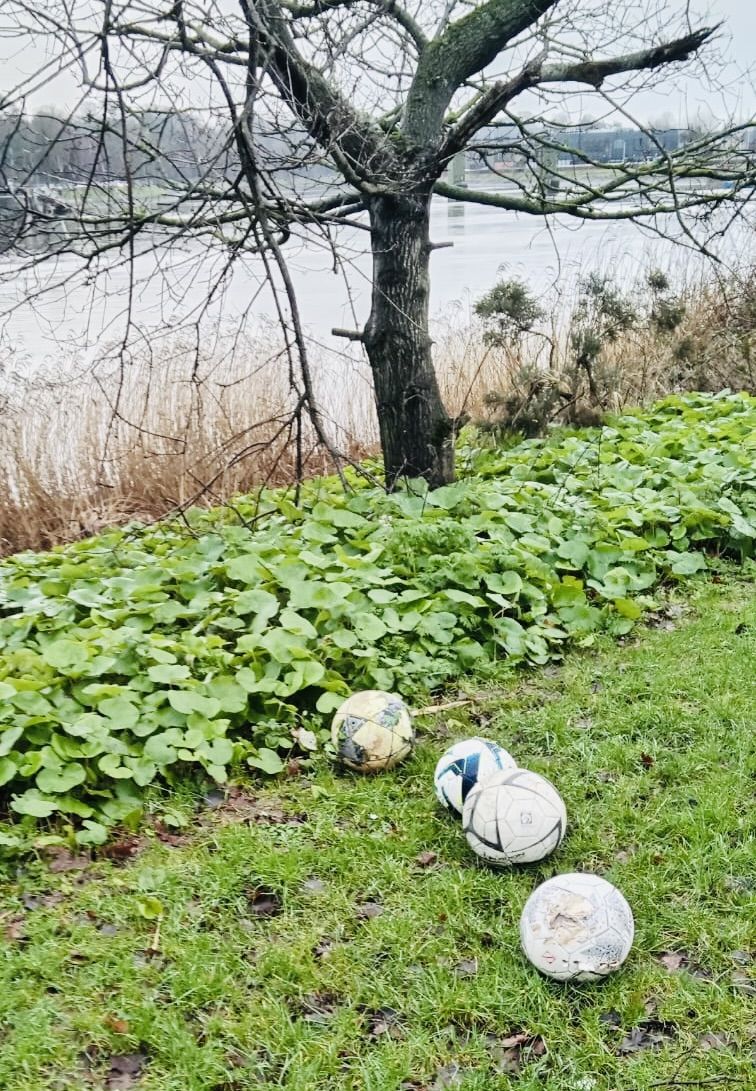

Reader Andy Graham takes his dog out for a walk along the Lagan most days – and this week when the tide was low he found a treasure trove of lost balls on a small ‘beach’ there.
He counted 39 tennis balls and five footballs – and there were many more flat footballs.
It might seem like a lucky find, but as Andy says, it really should be considered pollution.
“Most are dog balls that have been lost – either they float to the bank somewhere or end up on the bottom of the river. Either way it can’t be good,” he points out. At least one of those footballs are from Dúlra's last five-a-side game at Lorag’s pitches on the Ormeau Road right on the banks of the Lagan. Sorry Andy!
Young bee orchid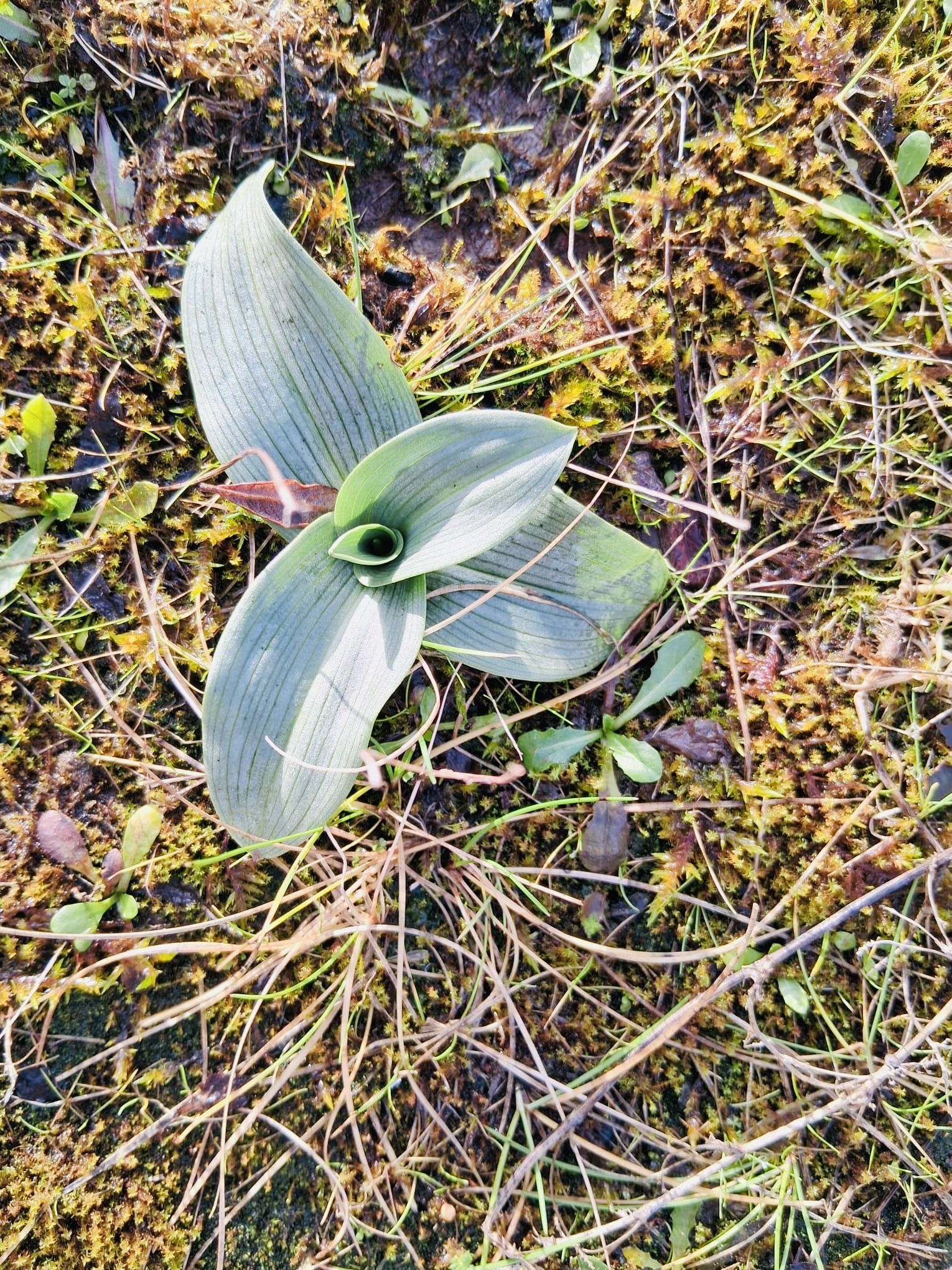
The bee orchids of Black Mountain are preparing for a great year. Here’s one of the spectacular plants photographed this week having sprouted from the ground. The reader who found it – who discovered this remarkable flower there for the first time last year – says there are about 60 young plants now growing.
Dúlra has never seen a bee orchid – and despite hours of trawling the Black Mountain last year he never found it. Bee orchids grow throughout the winter before producing that unique flower which mimics a bee in June or July.
There are plans to build near or even on the spot where these baby plants are, but surely work will be stopped – Dúlra’s confident he’ll finally get to see that flower this summer.
* If you've seen or photographed anything interesting, or have any nature questions, you can text Dúlra on 07801 414804.