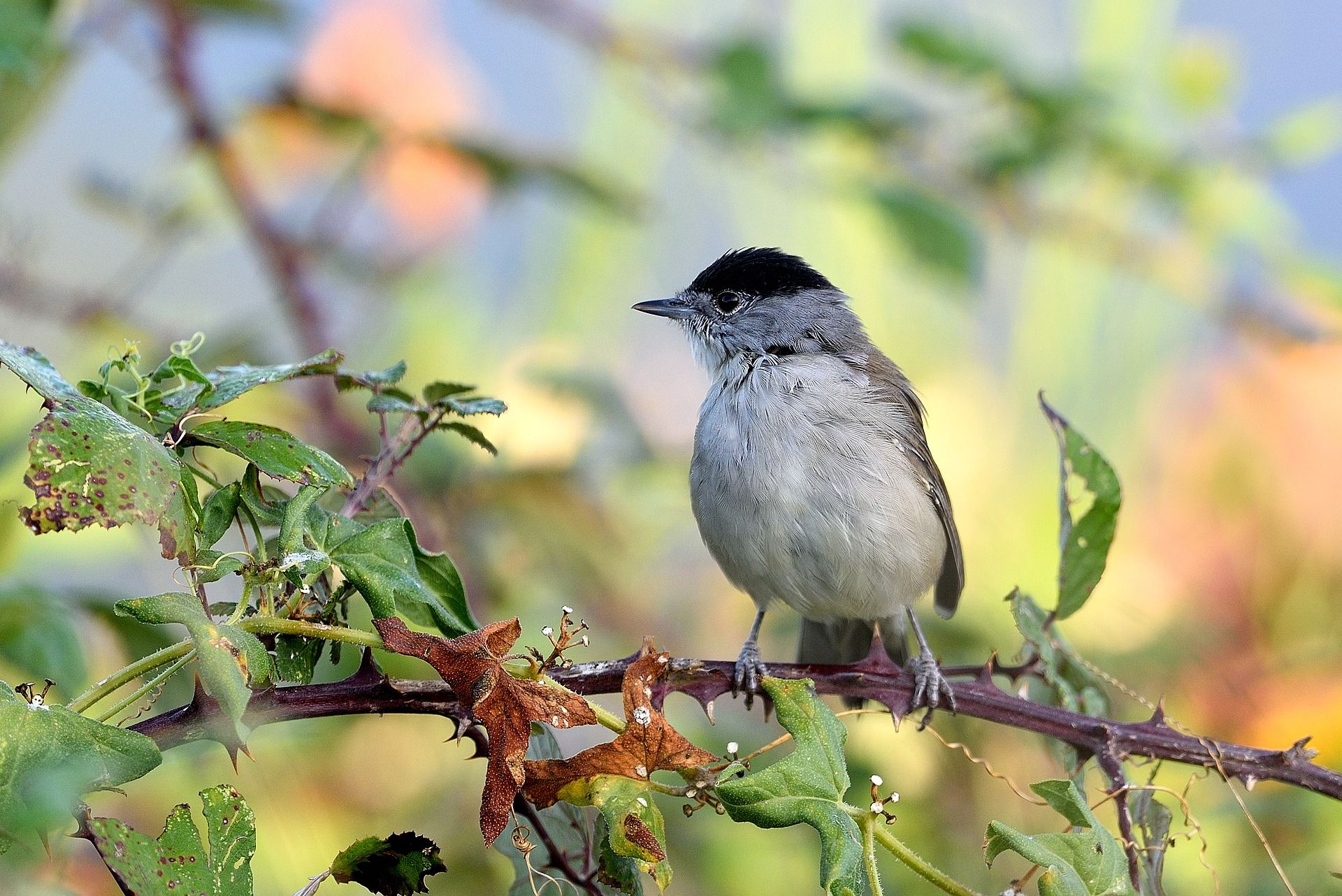
IT’S always a treat to see a blackcap in the garden. Because it’s evidence that in the race to survive, taking a chance can pay off big time.
Millions of birds quit these shores every autumn for a life in the sun. And who can blame them? Ireland shuts down in winter, It’s a case of knuckling down and determining to get through it, at least for Dúlra. January is a month that seems to go on forever, but when we finally reach the end, St Bridget’s Day welcomes us to the shortest month. And then we have our eyes set on St Patrick’s Day and before you know it, it’s spring once more and the birds are singing.
If we had wings, we’d quit too to spend a few months at the Mediterranean eating fruit, which is what blackcaps do. Or at least did.

A few years back, this soft-billed bird (birds that don’t eat seeds) decided to take what is literally a life-or-death chance. It didn’t follow the massive flocks leaving our shores in October. It would save its energy and try somehow to scrape through the meagre winter months.
If it could only just make it until March when the first buds appear and with them insects, it would have the mother of all advantages. It could pick the best breeding territories and nest sites before all the other species arrived back from their winter holidays abroad.
But how would it survive winter in Ireland when there are no insects to feed on?
Blackcaps – caipín dubh in Irish – are members of the warbler family, a beautiful group of small birds that have two things in common – they eat insects and are wonderful singers. We thankfully have a few warblers here – willow warblers, sedge warblers, grasshopper warblers, chiffchaffs and a couple of others that Dúlra has never seen.
None are garden birds, they all live in the hedgerows and bogs. As does the blackcap, but not in winter.
The blackcap went all-in in a mighty gamble – that it would leave the countryside in winter and throw itself on the mercy of people who leave out scraps for birds in winter.
And that’s how a blackcap appeared at Dúlra’s sunflower feeder this week.
Being from a completely different family, it stands out. It doesn’t hang around with any of the others. It even behaves differently – it’s not as easily frightened, it’s furtive, sticking to the undergrowth, and it even carries itself differently from all the others, somehow more upright.
But Dúlra was delighted to see it pecking on the sunflower hearts. It took a while to spot his more demure mate – she was under a hedge feeding on an apple.
Sexism exists even in the bird world and the blackcap is only accurate as a name for the male of the species. The female has a brown cap, but she has to go under the male’s description in the English and Irish name.
Maybe we should call both birds the browncap to reverse this discrimination!
This pair of birds have made it to the halfway point of winter – the road ahead shouldn’t be as tough. And then they’ll disappear back into the fields where they will build nests among the briars.
The blackcap’s bravery has paid off. For years, it played second fiddle to the garden warbler, but as that warbler’s fortunes have waned, the blackcap has now taken its place. Those few scraps that we throw out every day – bread or apples or food in hanging feeders – is helping our birds in ways that we couldn’t imagine. And after St Patrick’s Day, the blackcap’s incredible song will be heard all over the Belfast Hills and in our parks, much of the song echoing down into our gardens. A fitting reward, if you like, for our seasonal generosity.
• If you’ve seen or photographed anything interesting or have any nature questions, you can text Dúlra on 07801 414804.