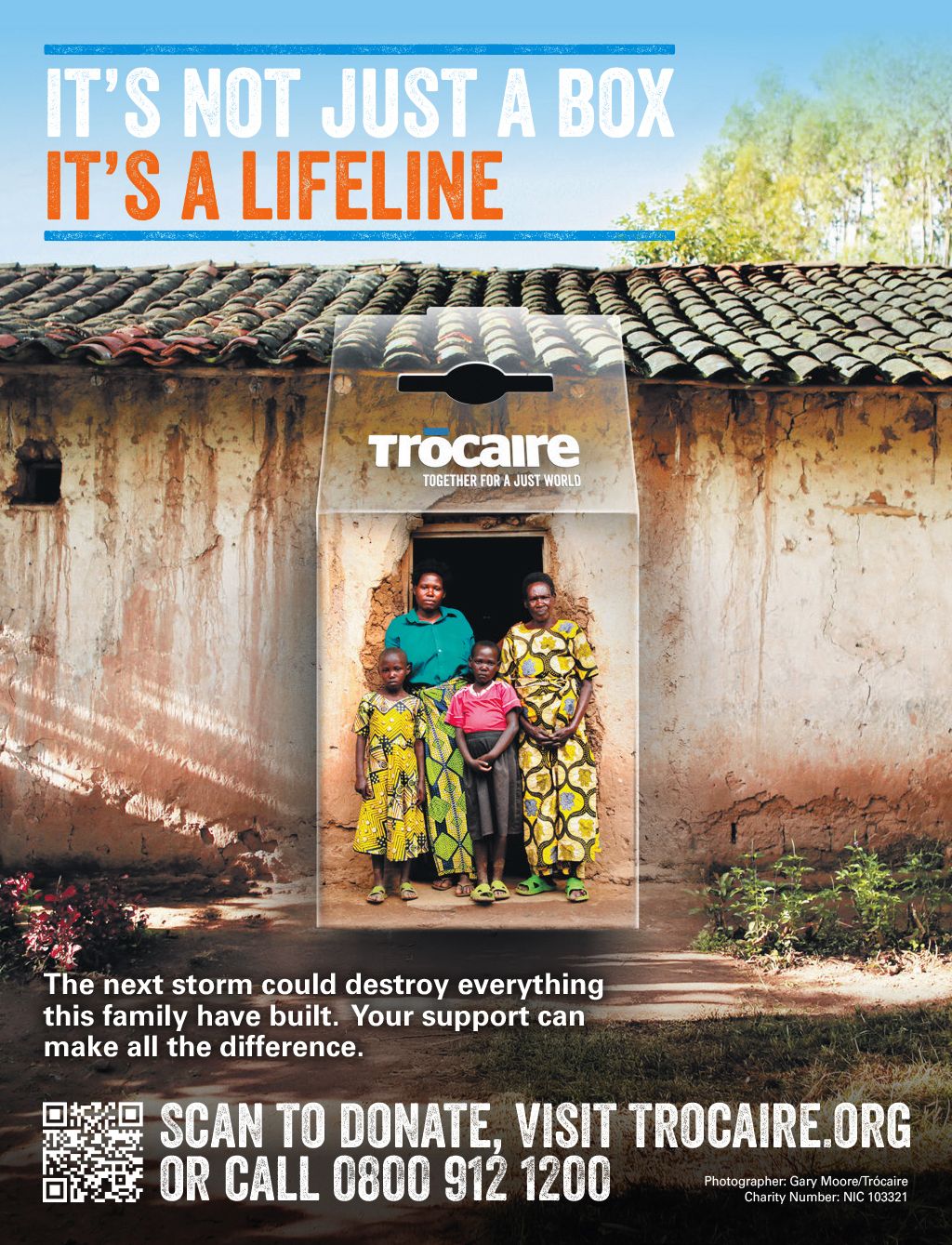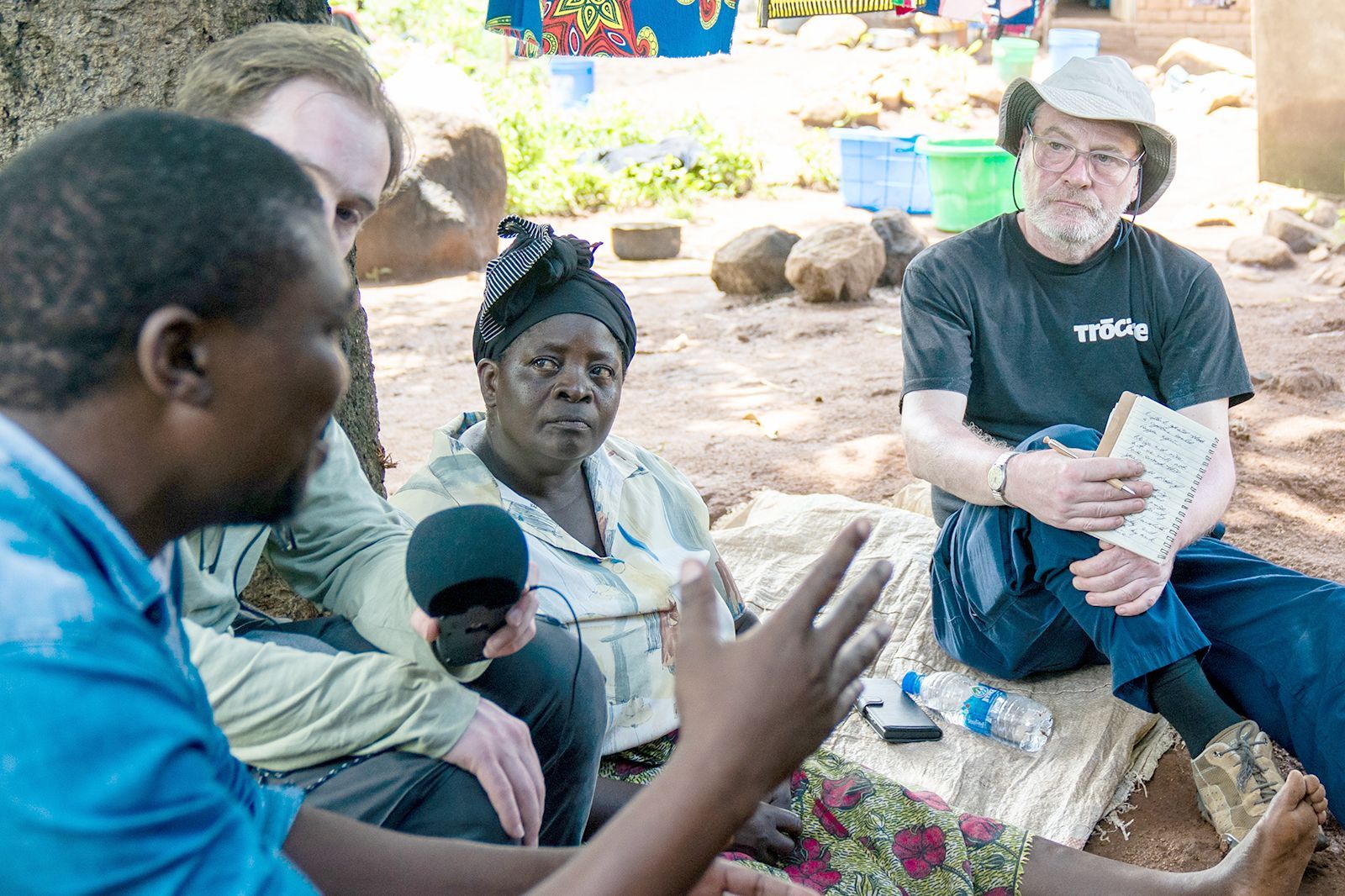
IT’S those who have done least to create climate change who suffer the most from its effects – and no-one knows that more than Trócaire’s David O’Hare.
David has travelled the world for more than 20 years to see for himself the struggles of people, mainly in the southern hemisphere – the Global South – and at this very moment he’s in Ethiopia, the 34th country in crisis that his organisation has sent him to.
“I try to bring the stories of those communities and those families to donors here at home. I’m their eyes and ears on the ground,” he told Dúlra after Trócaire was nominated for a Concentrix Guardian of the Environment Award.
Global warming has changed Ireland's climate by creating a relentless series of storms, but it literally means death for many people in the global south.

“Climate change and war are the two biggest drivers of poverty in the world today,” David said. And when climate change destroys food production, it’s a tragic case of having to organise emergency humanitarian aid to save starving people. David's aim is to make sure it doesn't get to that point.
“Trócaire is all about long-term sustainability, trying to ensure communities are supported to get back on their own feet and be self-sustainable,” he says.
It means working with the individual farming families on the ground.
“It’s life or death,” David says. “We’re seeing the impact here at home with more ferocious storms and floods and all the rest, but it’s a matter of life or death over there.
“For example, we have projects to retrain famers in the face of climate change, supplying drought-resistant seeds, showing them how to do terracing so that the land doesn’t get washed away in heavy rain.”
Climate change isn’t the only threat facing these families – often that change has led to big business and mining companies moving in to take advantage of the new opportunities.
That’s the case in Honduras, he said, “one of the most dangerous places in the world to be an environmental defender. I’ve interviewed female environmental defenders and the murder rate of those defenders is horrific. It’s usually against indigenous populations - I visited the graves of partners of Trócaire who have been murdered. There’s always a security issue for us, but our best protection isn’t armed guards, it’s the communities themselves who protect us. In Somalia, for example, the communities would tell the combatants not to go near Trócaire because if you do they might pull out. And we run the whole health service in some areas because there is no-one else there.”
Climate change has meant that farmers can’t prepare as they have done for generations. “There’s extreme heat and flooding, both sometimes in the same place. In Malawi water is the problem – there’s either too much or too little.
“I sat with farmers there and for generations they’ve known when to plant their crops, when to harvest them, almost to the day. And that’s been upended.
“The rains come early and wash away the crops, or they come late and the crops are stunted, or there is a drought and crops are wiped out. And they don’t have food to feed their families.”
The climate-caused crises he’s covered include the floods in Pakistan in 2010, a landslide in Sierra Leone, Cyclone Idai in Mozambique and drought in Kenya. And in the northern hemisphere, Trócaire’s role is not only to raise funds, but also to try to get governments to change their ways.
This advocacy includes trying to get the Irish government to support a fossil fuel non-proliferation treaty – they even have a motion supporting that issue at Belfast City Council.
“A small thing, but it’s symbolic,” says David. “We’re lobbying at the highest level – European, national and local level on all sorts of climate-related issues.
“It’s the top advocacy priority of ours and has been for a while and will be.
“It’s important for us to educate people, we’re not guilting individuals but we’re saying we’re all in it together – we created the problem but it’s the people in the south who are suffering.”
And he says it’s great to get Trócaire’s work recognised in the Aisling Awards nomination, adding that the generosity of people here is simply stunning, particularly in the annual Lenten Campaign.
“The support of people, particularly in the North – we have a solidarity here, maybe it’s because of what we went through over the last 40 years, and the generosity of people in Belfast especially is very humbling.”
• If you've seen or photographed anything interesting, or have any nature questions, you can text Dúlra on 07801 414804.