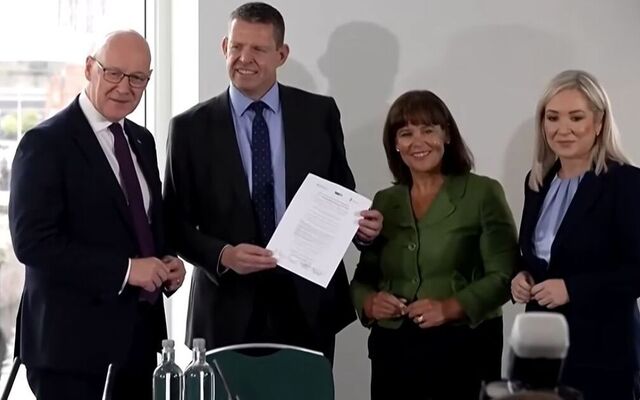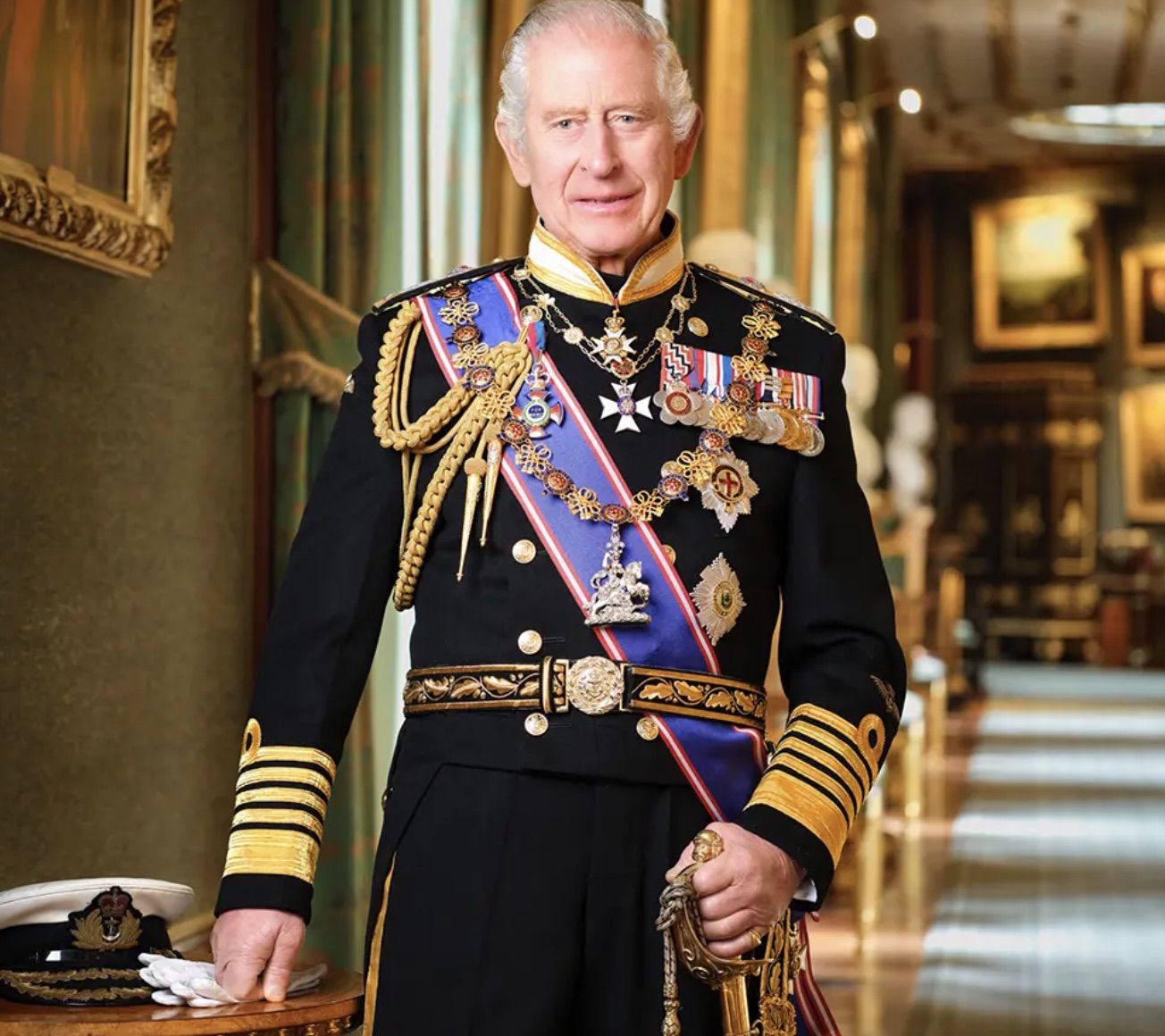
THE New Year’s honours from the British King always have an added frisson here. Who in our shared society with a contested view of the legitimacy of the King’s dominion over us will accept the 'honours'?
Some of those identifying as Irish will be included in the list and there are conversations to be had about that. I knew someone who accepted a CBE, who felt that they needed to because of the workforce they managed, who by and large appreciated such honours. Because it is a private process I don’t know if that has ever worked in reverse. "I would love it, man, but the lads I work with would feel it pretty alienating."
It is interesting how many senior civil servants in the devolved administration think it’s appropriate to accept a gong from the King of England, with accompanying British Secretary of State congratulations. Being a senior civil servant in the devolved administration suggests considerable awareness and engagement with the contested nature of allegiances in our locality. Being offered and accepting membership of the Order of the British Empire, or a Knighthood in same, feels very much like accepting and upholding British values and the British establishment, despite some of your staff and those you serve finding that at the very least alien to them, their values and their identity. That this is of no consequence or consideration to all of those involved is interesting, to say the least, and begs the question: Do Irish citizens and their feelings not matter?
Another question might then be, does it undermine the shared institutions themselves when the civil servants running the departments strap themselves to the mast of the British establishment? Because it is not a private decision, they are awards given on the basis of the work done by those individuals in those departments and is therefore a very public choice. If we ask questions about civil servants’ independence we ask very fundamental questions about the work being done within departments in a shared and often tense devolved arrangement.
Given the significant and long-term discussion on whether the future of education, health, community development, infrastructure or rights compliance resides in a new constitutional arrangement, this matters even more. There are many beneficiaries of partition in the South residing in the administration of the civil service and likewise in the North. They will be the same people charged with writing policy papers as we plan for referenda on constitutional change. Being a Member of the British Empire just might compromise that.
That is before we even start on the special section always put aside for the PSNI. Is no-one asking how it is appropriate that the PSNI is singled out for special treatment for British establishment honours, while at the same time the force bemoans the lack of applications from the nationalist/republican community? Every Chief Constable has been a Knight. It speaks to a fundamental cultural issue that is long-standing and undermines any argument that the PSNI is independent from the British state. It is instructive that it is so embedded that it barely raises an eyebrow.
Those advocating for constitutional change are constantly hit with questions about what symbols of Britishness might survive Irish unity, and yet no advocate for the union is expected to forsake anything in the current shared arrangement. And there's the rub.