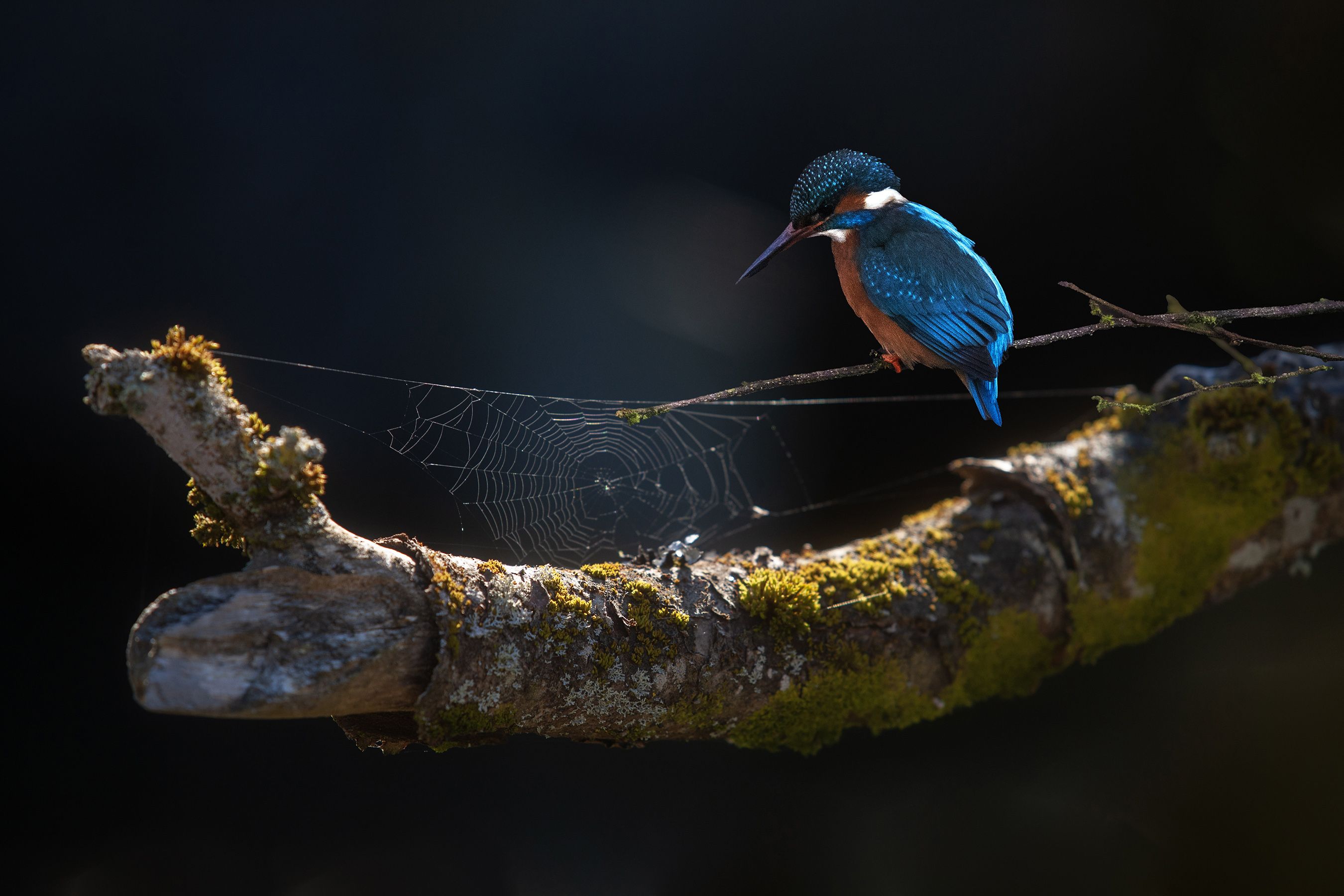
THERE is something profoundly therapeutic about birdsong. Long before mindfulness classes, wellbeing podcasts and meditation apps became part of modern life, nature had already created her own healing sanctuary, one filled with melody, colour and stillness. Across our city, from the peaceful paths of the Falls Park to the woodland beauty of Colin Glen, our feathered friends continue to offer a daily reminder that calm and restoration are never too far away.
Perhaps the most familiar visitor to our gardens is the blackbird. Often unnoticed until it begins to sing, the male blackbird is a striking creature. Its glossy jet black feathers shimmer softly in the morning light, while its bright golden beak and delicate amber ring around the eye provide a stunning contrast. There is elegance in its simplicity. When perched upon a garden fence or hidden amongst branches, the blackbird seems almost like a living piece of art.

Then comes its song – rich, flutelike and deeply soothing. Unlike the hurried noise of the modern world, the blackbird sings with patience and clarity. Its notes rise and fall gently through the air, inviting us to pause and simply listen. In these moments, stress begins to loosen its grip.
Equally spectacular is the majestic kingfisher along the Lagan. To catch sight of one is unforgettable. It arrives like a sudden flash of colour, darting low across the water with astonishing speed and grace. Its feathers glow with vivid electric blues, turquoise and shimmering copper orange tones that seem almost too vibrant to belong to the natural world. Against the greens and greys of the riverbank, the kingfisher appears like a flying jewel.
The beauty of birds is not only heard but seen. Their colours stimulate the senses and naturally draw our attention away from anxious thinking. The sight of a robin’s warm red breast or the green sheen upon a magpie’s wing can quietly awaken a sense of wonder that many of us lose amidst the pressures of everyday life.
Science increasingly confirms what many instinctively feel when surrounded by nature. Bathing ourselves in birdsong has measurable benefits for the brain and body. Natural sounds help reduce cortisol, the hormone associated with stress, while increasing dopamine and serotonin, chemicals linked to happiness, relaxation and emotional balance. Heart rates slow, blood pressure eases and the nervous system begins to settle.
Birdsong also creates what psychologists call 'soft fascination' – a gentle form of attention that allows the brain to rest and recover without becoming bored. Unlike scrolling endlessly through screens or processing constant noise, listening to birds offers calm stimulation that restores mental clarity.
Yet perhaps the greatest lesson birds offer us is mindfulness itself. To sit quietly in a local park without judgement, allowing the soundscape to unfold naturally around us, is an act of healing. The rustling leaves, flowing water and layered chorus of birds become a living symphony that reconnects us with the present moment.
The blackbird in the garden and the kingfisher on the Lagan remind us that beauty still exists in ordinary places. Sometimes peace arrives not through grand solutions, but on wings of blue, gold and song.