FOR decades now I have argued that self-determination is one of the big issues of our time. In 2005 I wrote: “In my view the big international struggle of our time is to assert democratic control by people over the decisions which affect their lives. This does not mean retreating behind existing borders and refusing contact with the outside world, but it does mean reasserting the primacy of democracy and working together in order to pursue this objective.”
The world we live in is dominated by national struggles. The right of people in different parts of the globe to self-determination, to be able to determine their own future, shape their own societies, pass their own laws, agree their own foreign policy, democratically and in the absence of outside interference.
In the decades from the end of the Second World War to the beginning of the 21st century countless millions died in these wars as former colonial powers – for example, Britain, France, Belgium and Portugal – tried to hold on to their colonies.
It was also a time when US-backed coups d’états in central and south America led to a succession of ruthless dictatorships in Brazil, Argentina, Chile, Bolivia, Ecuador, Guatemala, Nicaragua, Panama and others. Today the denial of self-determination remains at the heart of most conflicts. The people of Palestine are being denied their right to self-determination by an apartheid Israeli state supported in the main by the US and former colonial powers in Europe.
Russia’s occupation of the Crimea, and its four-year war against Ukraine, is about denying the people of Ukraine the right to determine their own future.
The United States’ invasion of Venezuela and the multiple threats by the Trump administration of military intervention and/or economic sanctions against Greenland, Europe, Canada, Cuba, Mexico, Colombia, Nigeria and others all reflect the ongoing centrality of self-determination today.
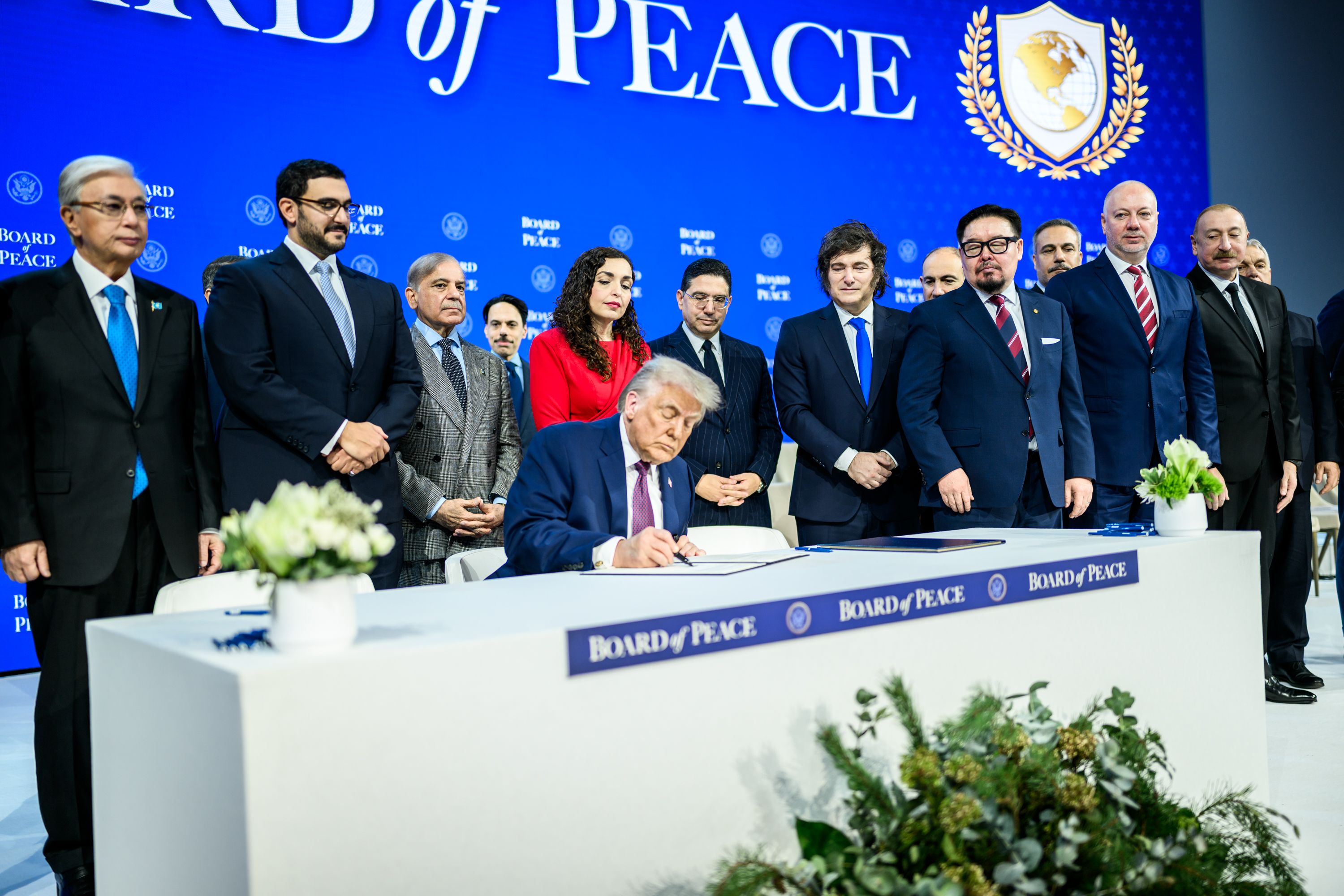
The centuries-long colonisation of Ireland by our nearest neighbour has shaped our world view and our opposition to bullies. Consequently, Irish people opposed the wars in Iraq and Afghanistan and we are overwhelmingly supportive of the Palestinian people as they face Israel’s genocidal aggression. President Donald Trump’s Board of Peace is colonialism. It has no other purpose. It denies the Palestinian people their right to self-determination. They and only they have the right to govern themselves. Only they should determine their, future. Irish republicanism is built on this world-view.
This also shapes our determined opposition to ending Irish neutrality; a shift that is currently being promoted by the Irish government and others. Partition subverts our right to take a fully national view, but notwithstanding this, are we to surrender decision-making on Irish foreign policy to the big powers, or will we continue to pursue our own course? The answer for me is simple. We must stand fast in support of self-determination and in defence of neutrality. We must seek to advance self-determination in the context of ending partition. That is our right. No British politician could ever govern Ireland in Irish interests. British ministers rule in the interests of the British government. These interests are not our interests. How could they be?
So, our focus has to be on achieving self-determination through maximum societal change, including ending partition and winning the unity referendums that are part of the Good Friday Agreement. It also means having a positive view on international affairs based on international law, the right to self-determination and peace.
Mickey Brady: Rights champion and decent man
MICKEY Brady, former Sinn Féin MLA and MP for Newry and Armagh, died last week. His sudden death came as a great shock to his family and to all of us who knew and respected him. I had the great fortune to work closely with Mickey in the Assembly and I often campaigned with him during elections. Some people are really good canvassing during elections. They have that way of engaging with people on the streets and at the doorstep and Mickey was a master at it.
He was always positive. He knew the issues impacting on people and he could speak from his years of experience as an elected representative and as a champion for their rights through his work in the Newry Welfare Rights Centre.
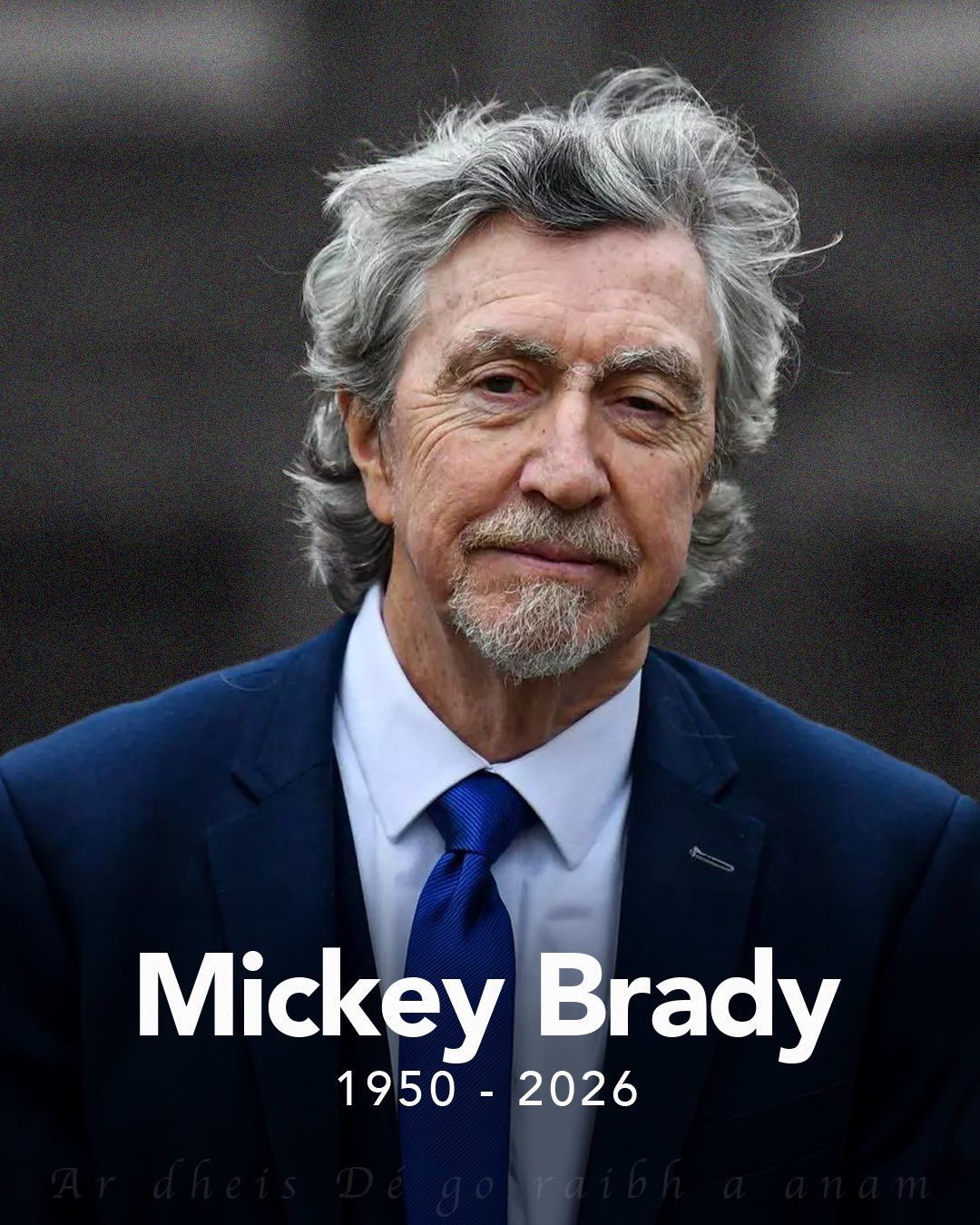

Mickey was a cheerful Newry nyuck. He was a decent human being deeply committed to his republican and socialist values. He was steeped in the very best values of his working class community of Ballybot. He rose above the deprivations, above the poverty and the divisions. But Mickey Brady didn’t rise out of his class. Mickey rose up with his class and brought many of his neighbours along with him.
Mickey’s work on welfare rights is legendary. His benefit take-up campaigns helped thousands of families and his ability to represent people at tribunals was celebrated. In 2002 Cherie Blair, the wife of former British Prime Minister Tony Blair, referenced a case Mickey brought to Appeal. He won the case and the argument he made was used extensively as case law and precedent in the North and in Britain. Later an official report into Social Security tribunals stated that Mickey represented in one year more people than all of the legal professionals across the North.
Mickey was also a trade unionist who firmly believed in Connolly’s maxim that ‘The cause of Ireland is the cause of Labour and the cause of Labour is the cause of Ireland.’ Mickey understood the cruelty of partition and the opportunities which Irish unity will create.
He was avowedly anti-sectarian. He knew that poverty is the greatest restrictor on human development and a direct consequence of the British connection and the lack of national and economic democracy.
He believed that by virtue of being born people have inalienable birth rights. So women have rights, workers have rights, children have rights. There are LGBTQ+ rights and rights for citizens with disabilities. He campaigned for all of these things.
Mickey loved his work with Sinn Féin. His wife Caroline told me he loved all the people he worked with in the office in Newry and was a respected mentor to younger as well as not so young comrades.
He loved Martin McGuinness. The two of them were cut from the same cloth, though Mickey had a much better head of hair. Martin was quite jealous of the two of us and our hair.
Mickey and I shared a love for music: the Beatles, Dylan, the Stones, Leonard Cohen, the Dubliners, the Chieftains, Christy. I didn’t know this until quite recently but one of our claims to fame is that we both met Luke Kelly – separately away back in the 60s. Mickey loved the writings of Brendan Behan and Oscar Wilde. Mickey was a dedicated follower of fashion. His famously dapper and stylish dress sense, much admired, was very influenced by Wilde.
Mickey was a good son, a good brother, a good father, uncle and grandfather and a loving husband to Caroline, and in her time to his first wife Rose. Thanks to them he also had a good life.
In the not too distant future there will be a referendum on the future of our country. Sadly, Mickey didn’t live to fight that campaign or to see the new Ireland but he can rest content that his efforts will ensure that outcome: A free and united Ireland.
As W B Yeats put it:
Think where man’s glory most begins and ends
And say my glory was I had such friends.
Slán, Mickey.
•SINN Féin’s Commission on the Future of Ireland last week published its latest report – ‘Delivering Rural Health and Care in a New Ireland’. The public event took place in Enniskillen in November.
A packed hall heard from a panel of health activists, including Pat Cullen MP; Fr Brian D’Arcy, writer and broadcaster; Paula Leonard, CEO of Alcohol Ireland; and Denzil McDaniel, author and former editor of the Impartial Reporter. The discussion and report examines the challenges faced by rural communities trying to access all-Ireland cardiac services, autism services, cancer provision, suicide support services and A&E.
It makes no sense that we run two entirely separate health systems trying to solve the same problems.