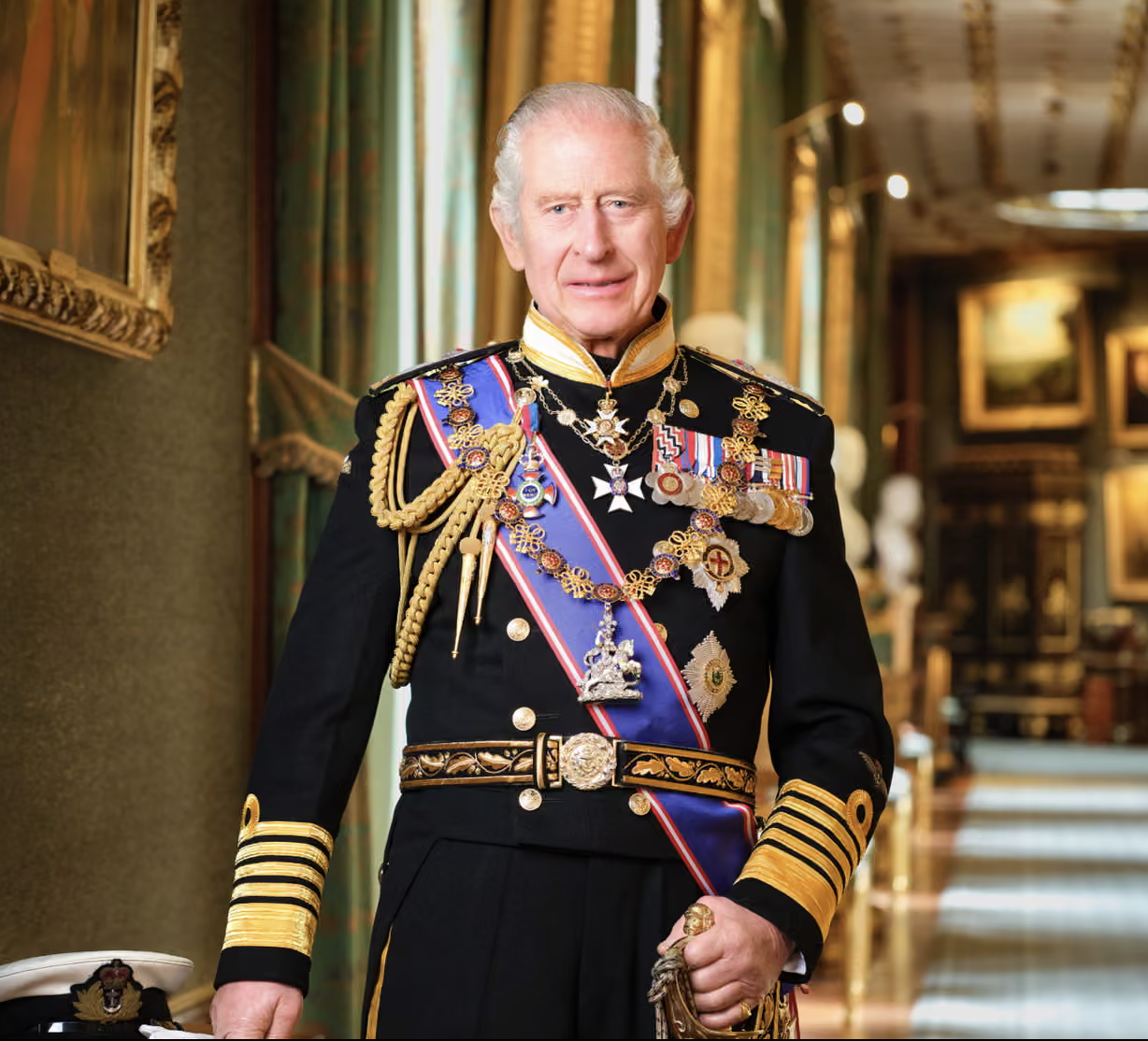
CURRENTLY, the British state is convulsed by allegations surrounding a member of its royal family. Norway too is in the midst of a crisis around its monarchy. The law of both states will take their course, as is right.
However, these controversies raise for me the very existence of monarchies. A family elite which through past colonial conquest and patronage, and in alliance with business and societal elites, continues to enjoy a place of wealth and privilege and influence. Given that the British state includes a part of Ireland, at least for the time being, this is more than an academic issue for those of us who are captives of this undemocratic system of privilege.
I am instinctively against monarchies. Of any kind. Constitutional or otherwise. Monarchies are bad. The late Tony Benn put it well when he said that “the existence of a hereditary monarchy helps to prop up all the privilege and patronage that corrupts our society; that is why the crown is seen as being of such importance to those who run the country or enjoy the privileges it affords.”

I am for power for the people and for the rights of the individual. People have to be sovereign. Monarchies are an insult to humankind.
People are citizens, not subjects. One thing which I have come to value more and more the older I become is a basic belief in people. Given a choice, the vast majority will do the decent thing. But human behaviour is hugely influenced by the conditions in which we live. Some people have very limited life choices because of their race, gender, social status, education limitations, disability or poverty. Their entire lives, especially if they are women, are spent seeking the basics for living, so they spend their lives trying to survive or trying to ensure that their families survive.
This is grossly unfair. There are certain rights which people require if they are to have the basics for living, including the right to food, to water, to a home and work and to health and education services. Society must be shaped around these rights. Society must be shaped around people – citizens, not elites, not monarchies or hierarchies.
The people of Ireland have the right to self-government and the right to have maximum control of that government. No British monarch or politician could ever govern Ireland in Irish interests. The British elites rule in their own interests.
However, history teaches us that societies can be changed. Not too long ago political unionism dominated the northern state and shaped its institutions in its own self-interest. No longer. Once slavery was acceptable, as was the disenfranchise-ment of women. Discrimin- ation was legal. Apartheid was legal in South Africa. No longer.
So, change is possible. It rarely comes of its own accord; it has to be organised. This is rarely accomplished without struggle or sacrifice.
All of this is an argument for democratic systems of government; that is, systems in which the people are sovereign and equal. Such a society has to be tolerant. It must reflect and include the entirety of its people, not part of them. Inclusivity is vital to the well-being of any community, whether a nation community, the global village or a local populace.
And if citizens have rights, why not all-encompassing rights? Should the right to the basics for life not include economic rights as well as political and social rights? If society is a two-tiered one in which people are subjects, that is how people will be treated. As subjects they will be afforded only such concessions as the privileged deem adequate for them. This is unacceptable.
All human beings have the right, as a birthright, to be treated equally. I am for a rights-based, citizen-centred society in which citizens fulfil their obligations for the common good.
I am for a form of government in which the wealth of the nation is used for the benefit of citizens.
The peace process has shown that a better republic, a genuine all-Ireland republic, more equal and fair, is possible; that we can roll back the decades of political failure and build a new Ireland. Without royalty.
Is this possible? Yes it is. That’s why I am an Irish republican.
New generation of Gaeilgeoirí starting to take charge
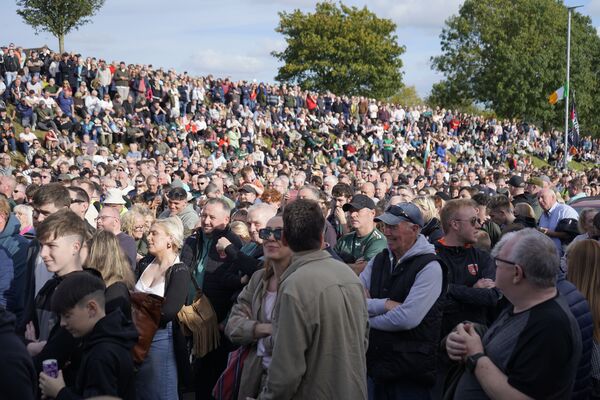
AT the end of last year Oireachtas na Samhna in Belfast was a huge success. Thousands of Irish speakers, including Uachtarán Catherine Connolly, spent several days enjoying the music, dance, culture, arts, craic and discussions that are part of the oldest Irish language and arts event on the island of Ireland. In August Belfast will host the Comhaltas Fleadh Cheoil na hÉireann, the world’s biggest celebration of Irish music and culture. All of this is evidence of the change that is taking place.
I was pleased to attend An Conradh’s Ard Fheis. The conference was alive and vibrant with a new generation of young Gaeilgeoirí determined to assert their Irishness, proud of their language and determined to stand up for their language and national rights. They were articulate, positive, funny, hopeful and generous.
Conradh na Gaeilge was founded 133 years ago. Since then it has been consistently in the forefront of defending the rights of Gaeilgeoirí while promoting our culture. It is very community orientated working closely with language activists across the island. This was most evident in recent years through its alliance with An Dream Dearg and their campaign to repeal the 1737 ban on Irish in courts, and to secure an Irish Language Act.
In the 26 counties Conradh has been active on campaigns around housing provision in the Gaeltacht areas as well as seeking greater investment in and emphasis on the teaching of Irish in education.
The organisation is very conscious of the broader political and social context in which it exists and this year especially it was looking to the future. Conchúr Ó Muadaigh of Belfast addressed this directly during the debate on Saturday. He described the motion as evidence of the “ambition and courage” of its members. He added: “We are not a small, marginal community, we are a living movement that is growing, changing and creating a future for ourselves, we are a community full of enthusiasm and imagination.”
The vote when it came was overwhelmingly positive. It changed Conradh’s constitution and restored its historical objective of working “towards a united Ireland in the interests of the Irish language and the Gaeltacht”.
At a time when momentum is increasing daily around the demand for the unity referendums provided for by the Good Friday Agreement, and the need to prepare for this, Conradh na Gaeilge is now committed to joining that conversation and advocating for unity. Tír agus Teanga. Well done Conradh na Gaeilge.
Out of step
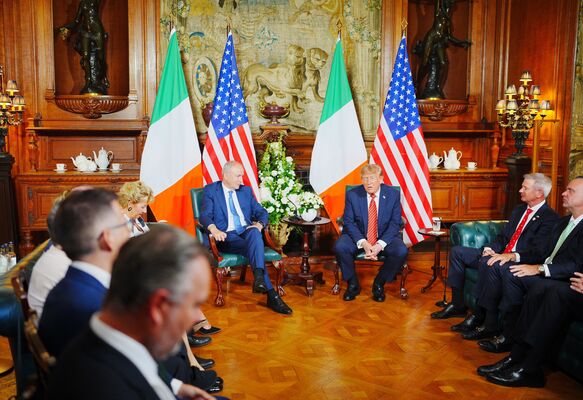
AN Taoiseach Micheál Martin, in an interview with TG4, claimed that there is not much substance behind Sinn Féin’s campaign on unity. The Fianna Fáil leader, who has consistently rejected any common sense suggestions to prepare for unity, returned to his favourite and bogus argument that we need reconciliation before unity.
OPPOSED: Taoiseach Micheál Martin ignores the growing consensus that a unity poll is essential 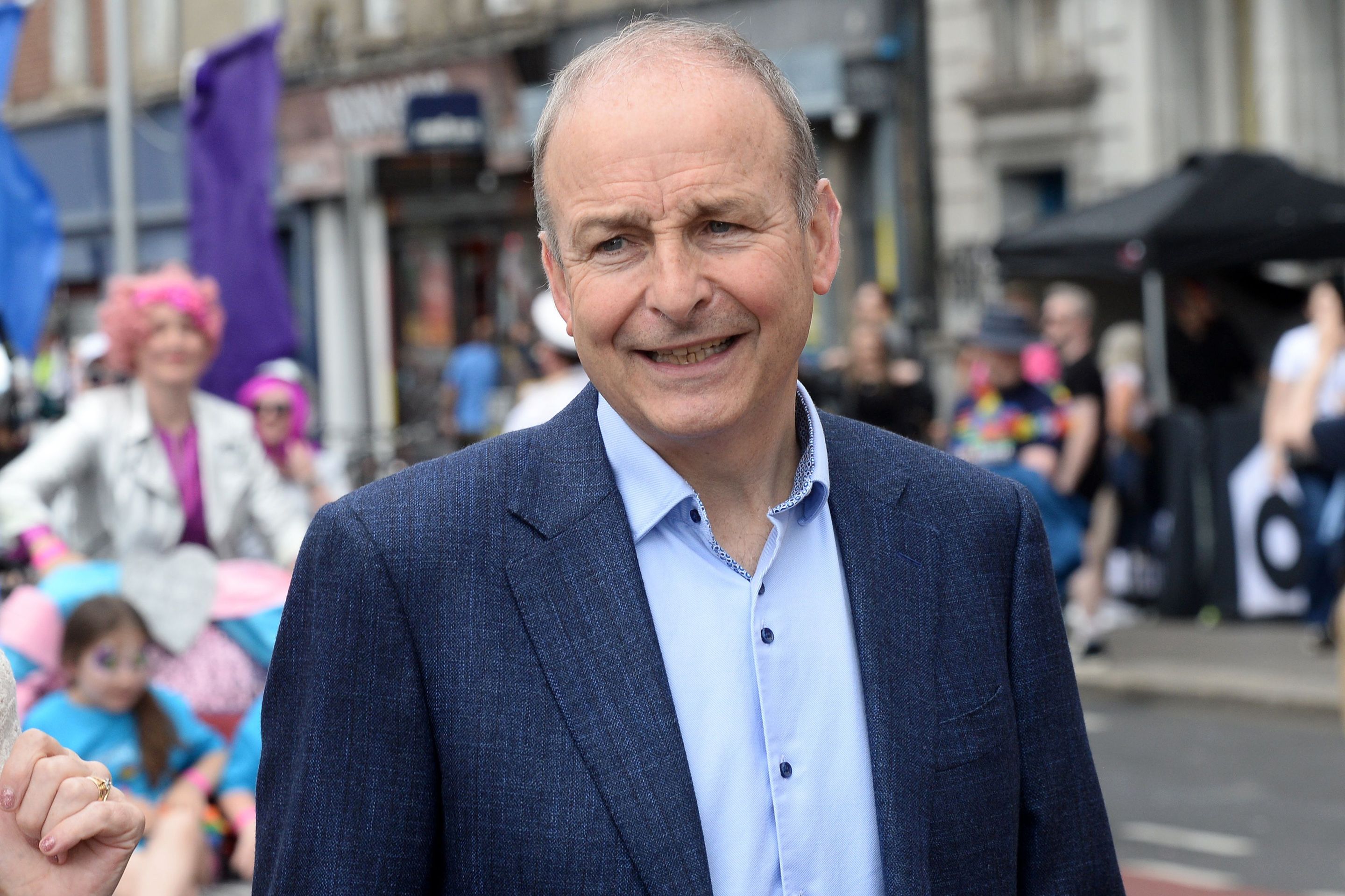

Martin’s comments are out of step with the political reality and popular opinion North and South. He also misses entirely the point that the demand for unity is not simply being put by Sinn Féin. Former leaders of Fine Gael and the SDLP, as well the SDLP leadership, Ireland’s Future, the Irish Labour Party, the Joint Oireachtas Committee on the Good Friday Agreement and others are part of the growing demand for the Irish government to prepare for unity.
Last weekend Conradh na Gaeilge, as we report above, changed its constitution to allow it to advocate for unity. In Cork and South Belfast well attended public events discussed the economic, health and political advantages of unity for the people of the island of Ireland.
Regrettably, once again Micheál Martin steps outside the growing consensus on unity and chooses to ignore the imperative of the Good Friday Agreement which provides for unity referendums.
It is a fact that the need to prepare for constitutional change rests with the Irish government. In this it has failed. Of course, reconciliation matters. But it is not a strategy for constitutional change. Preparing for unity means addressing the core questions evident in all of the public meetings held on this issue: healthcare, taxation, public services, rights protections, pensions and economic transition in a new Ireland.
Martin’s assertion that there will be no referendums before 2030 also ignores the reality that this is a matter for the people to decide.
In the meantime, support for unity referendums continues to grow. And despite Micheál Martin’s rejection of this, that momentum is set to continue.