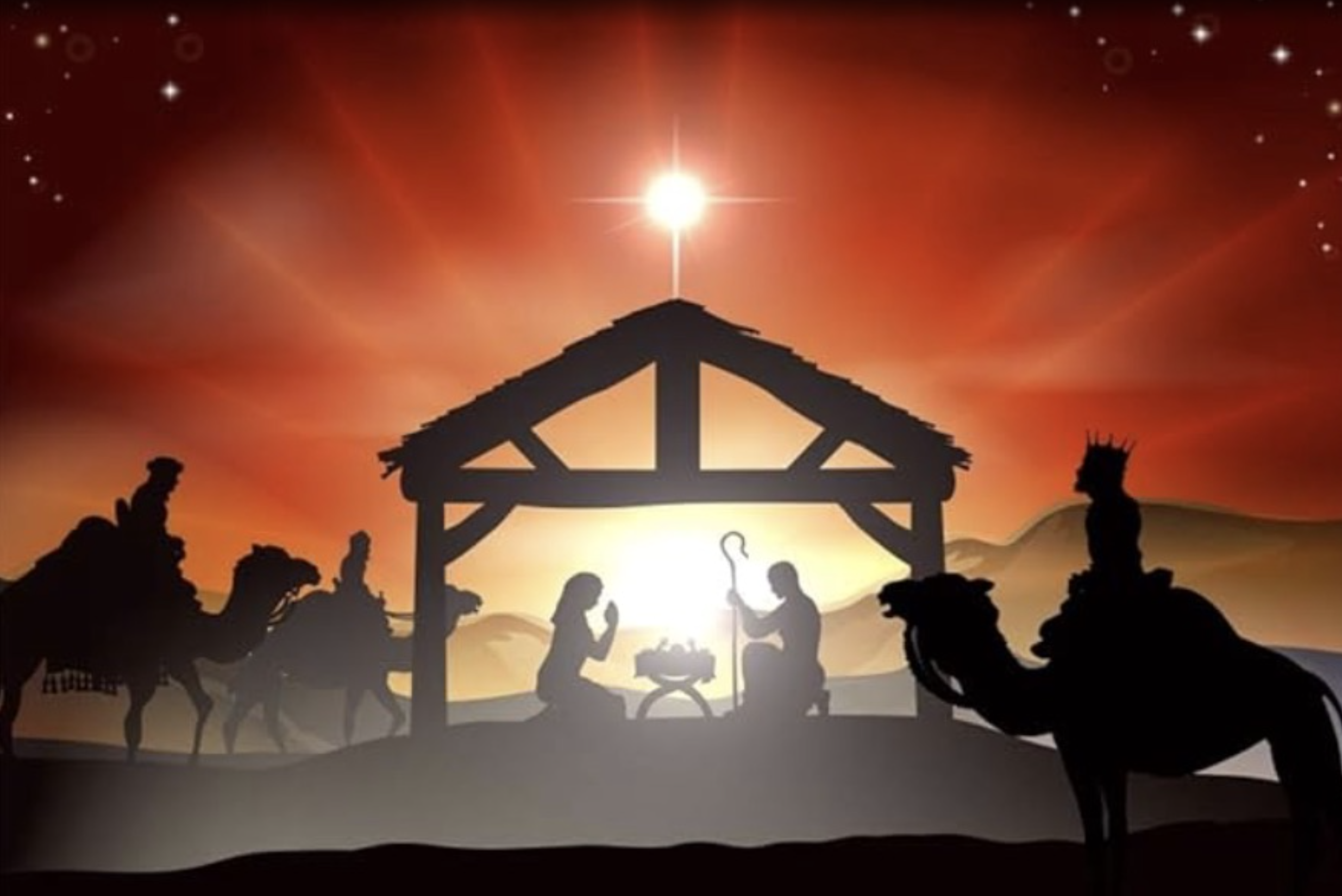
THE story of Christmas and the birth of Jesus in a stable, as Mary and Joseph sought shelter, is known by billions around the world – even by those of other faiths and none. Christmas will be celebrated, presents given, and many will go to their respective places of worship to remember the child born in poverty, surrounded by a loving family and animals.
But for the people of Palestine surviving in the occupied Palestinian Territories, this Christmas thousands of families will be separated from their loved ones, many of them children, held illegally in Israeli prisons. In the Gaza Strip families will mourn the 20,000 babies and children killed in Israel’s genocidal war and the many more left with life-changing injuries. Children will grieve for the parents who have been killed.

For the two million refugees living in Gaza, this Christmastime will be bleak. Almost a million of them who have been reduced to living in tents and makeshift shelters made from plastic sheeting are being battered by the cold, the wind and the rain. Video and photographic images show tents wallowing in feet of water with shivering children, their eyes big with fear and pain, soaked to the skin. Many have no shoes and others only open sandals. No way to stay warm.
Children are dying from the cold as winter storms cause devastation. Israel only allows a trickle of the humanitarian aid that is needed into the Gaza Strip. Inadequate food supplies, medication, blankets and clothes mean that every day is a living nightmare for the Palestinian people. Proper sanitary provision is almost non-existent and limited access to clean water and food is raising the spectre of disease, especially among the babies and children.
The World Health Organisation warns that: “Winter conditions, combined with poor water and sanitation, are expected to drive a surge in acute respiratory infections.” According to its most recent figures, 100,000 children and 37,000 pregnant women are suffering from severe malnutrition. The health system which has been largely destroyed by Israel cannot cope with this.”
To add to this misery, the Israeli military continues to ignore the ceasefire agreed in October. Hundreds have been killed in Israeli attacks.
While all of this is going on, governments in Europe, including the Irish government, have refused to prioritise sanctions against Israel. They turn a blind eye to this humanitarian catastrophe. Micheál Martin and his Ministers continue to delay, as they have done now for eight years, on the passing of the Occupied Territories Bill (OTB).
Three weeks ago the Dáil passed an opposition motion calling on the government to enact the OTB, which includes a ban on Israeli settlement-linked services, by the end of the year. However, a week later the Minister for Foreign Affairs, Helen McEntee, claimed that there remains “considerable legal uncertainty” around the Bill and she is awaiting advice from the Attorney General. Almost six months ago the government said that it had sought advice from the AG on this issue.
What is taking so long?
The reality is that in July 2024 the International Court of Justice concluded that there is an international legal obligation on governments to prevent all trade and investment linked to the illegal Israeli settlements.
This delay is inexcusable. The Occupied Territories Bill, covering goods and Services, should be passed now.
Action is needed on hunger strike
IN English prisons five people, imprisoned under new repressive laws targeted at pro-Palestinian activists, are on hunger strike. Several of them will have been on hunger strike now for over 50 days. At the weekend and each day since, protests have taken place across the island of Ireland and in Britain.
Irish republicans have a natural affinity with those who use hunger strike in protest against inhumane prison conditions and to advance democratic aims. The use of hunger strike by political prisoners following the Rising and during the Tan and Civil Wars and in the North is well documented.
Uachtarán Shinn Féin Mary Lou McDonald has written to the British Prime Minister Keir Starmer. She expressed her serious concern at the life-threatening situation facing the protesting prisoners and urged him to intervene urgently to resolve this situation before it ends in a tragic loss of life.
In her letter, Mary Lou McDonald pointed out that the hunger strike “has arisen as a result of the lengthy pre-trial detention of these individuals following arrests in actions to stop the genocide in Gaza. Some of the individuals have been held for more than a year without trial.”
The Sinn Féin leader added: “Urgent action is needed and I have pressed the British Prime Minister to engage directly to find an immediate resolution to this protest. The right to a fair and timely trial, including access to reasonable bail, is fundamental in any democratic society and must be upheld without exception.”
The Bobby Sands Trust has extended solidarity “with the political prisoners who are protesting their prolonged pre-trial detention, having been held for over a year without trial. Their actions were non-violent, aimed at disrupting the production of weapons used in Gaza.”
2026 a pivotal year for Moore Street
NEXT year the judicial review application taken by the Moore Street Preservation Trust will be heard in the Dublin High Court to challenge the Irish government’s support for the plans of the developer Hammerson to demolish much of the historic 1916 Moore Street battlefield site.
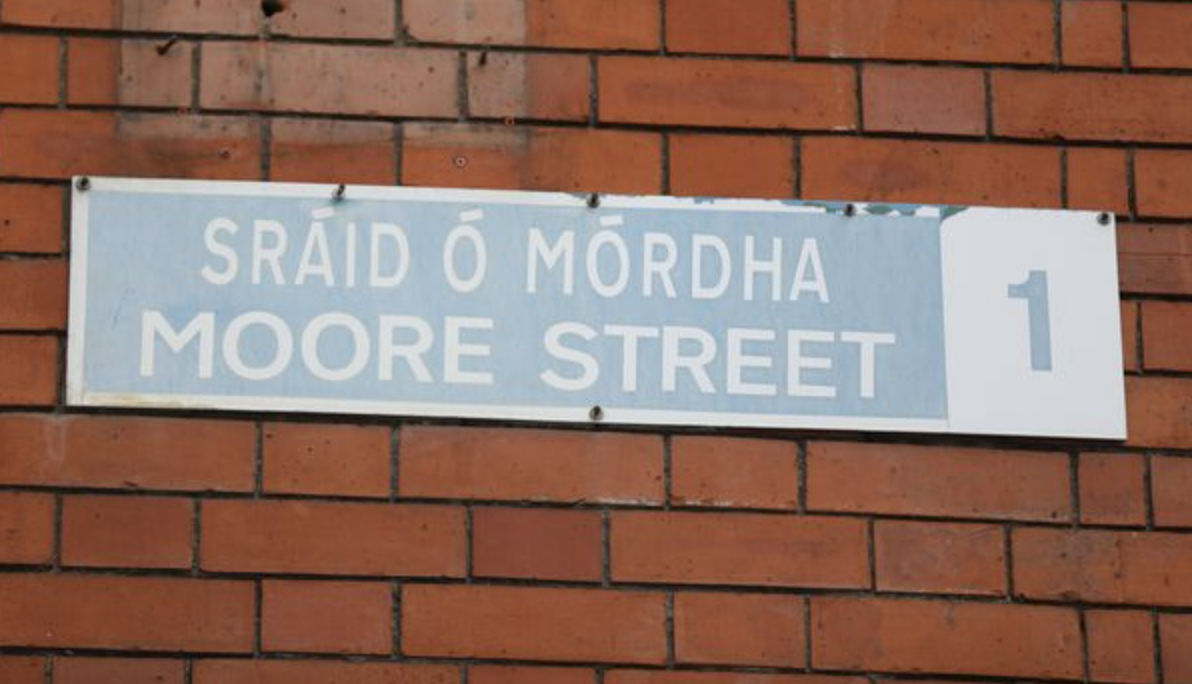

16 Moore Street is where the leaders of the 1916 Rising held their last meeting and where the decision to surrender was taken to prevent further civilian loss of life.
Among those present was Joseph Plunkett, who was centrally involved in the planning of the 1916 Rising. He was Director of Military Operations in the Irish Republican Brotherhood. He was also a member of that organisation’s Military Council. He was a signatory of the Proclamation and although heavily bandaged as a result of medical operations in early April, Plunkett spent Easter week in the GPO.
The day after the evacuation of the GPO and before the surrender, Joseph wrote a letter to his fiancée, Grace Gifford, which the Moore Street Preservation Trust posted last week on their Facebook site. Titled, ‘Somewhere in Moore Street’ the letter reads:
My Darling Grace,
This is just a little note to say I love you and to tell you that I did everything I could to arrange for us to meet and get married but that it was impossible. Except for that, I have no regrets. We will meet soon.
My other actions have been as right as I could see and make them and I cannot wish them undone. You at any rate will not misjudge them.
Give my love to my people and friends.
Darling, darling child, I wish we were together. Love me always as I love you. For the rest, all you do will please me. I told a few people that I wish you to have everything that belongs to me. This is my last wish, so please do see to it.
Love xxxxxx Joe.
Joseph Plunkett was court martialled along with the other leaders and on May 4, 1916, he was shot by firing squad. Just hours earlier he was allowed to marry Grace Gifford.
They were married in the chapel in Kilmainham prison and later they were allowed ten minutes together in his cell.
In 1985 brothers Frank and Seán O’Meara wrote ‘Grace’. The song, with its haunting lyrics, has become a standard for many singers and groups.
Oh, Grace, just hold me in your arms and let this moment linger,
They’ll take me out at dawn and I will die.
With all my love I’ll place this wedding ring upon your finger,
There won’t be time to share our love, so we must say goodbye.
Support the Moore Street Preservation Trust campaign and help save the 1916 battlefield site from the developer’s bulldozers. Find out more about the subject at the Moore Street Facebook site.
•Beannachtaí daoibhse go leir. Have a great Christmas, dear readers. Thanks also to all at the Belfast Media Group and the Irish Echo in New York who diligently publish my musings weekly.
With war and hunger in Gaza, the Sudan, Ukraine and so many other places around the world, it is a time to celebrate our humanity, stand up for those who need our solidarity, raise a glass to absent friends and give thanks to all who enhance and brighten our lives.