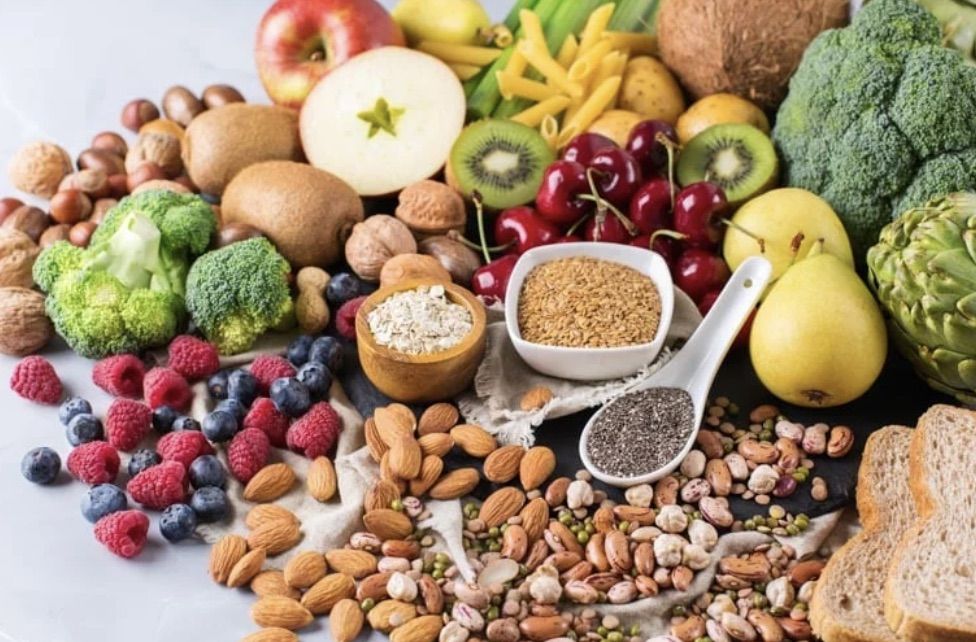
AT this point in time there's no gold standard when comparing a mixed moderate diet of animal foods (meat, dairy, eggs, fish) mixed with plant foods (bread, rice, pasta, potatoes, oats, fruit and veg) versus a vegan diet (plant foods only).
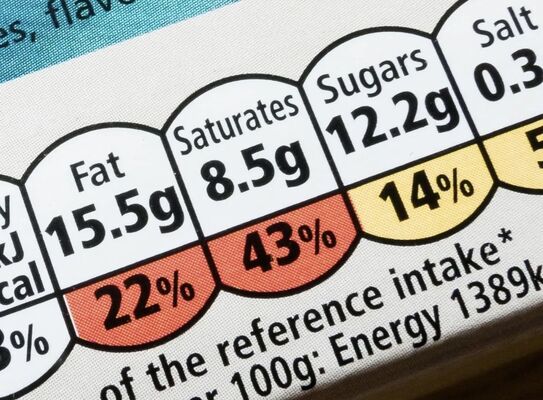
But if you were consuming a very high intake of animal foods and going above 20g–30g of saturated fat per day (females and males) or 70g of red meat then this would be a different story. There's the potential here for increased cholesterol and bowel cancer.
One thing that's agreed is that eating plenty of fruit and veg (the familiar five or more portions per day) can reduce your risk of heart disease, stroke and some types of cancer. Variety is vital! Different types and colours of fruit and veg contain different combinations of fibre, vitamins and minerals which our bodies need to stay healthy.

Try to consume a wide variety of fruit and veg from each of the colour groups: green, yellow, red, purple, orange and white. Wholegrain versions of bread, pasta, spaghetti, noodles, oats, rice and so on provide plenty of fibre – and plenty of B-vitamins too.
There are some nutrients that you should consider supplementing if you are solely following a vegan diet, notably calcium, iodine and vitamin B12. This is because the best sources of these are animal products, especially dairy. But an amazing development in our food chain is that these are all added into soya milk brands like Alpro so vegans don't become deficient.
Omega 3 is another one and the best sources are oily fish (salmon, mackerel, tuna, sardines) but a natural algae supplement will help here.
Lee McCusker (BA; MSc; MSc; MSc; ANutr) is a registered nutritionist from Belfast and can be found on Facebook, Instagram and Twitter. Email: attentivenutrition@gmail.com.