ULTRA-processed foods (UPFs) include ice cream, ham, sausages, crisps, white carbohydrates (bread, rice, pasta etc), lots of breakfast cereals, biscuits, sweeties, chocolate, carbonated drinks, fruit-flavoured yogurts, instant soups, takeaways and some alcoholic drinks including whisky, gin, and rum.
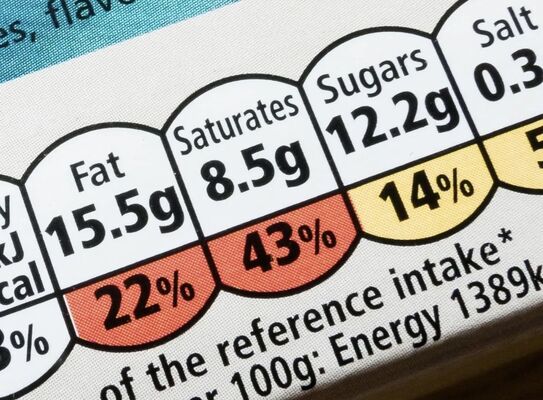
UPFs are often affordable and convenient but can come with excessive calories as well as being high in fat, sugar and salt (HFSS). Over-consumption of UPFs may also be an indication of other unhealthy dietary patterns such as not consuming enough fruit and vegetables which can lead to low fibre as well as deficiencies in nutrients.
UPFs have become engrained in our diets, and it is now thought that over 50 per cent of most people’s energy intake or calories come from UPFs. This is particularly true in men and younger people. Diets that are high in fat, sugar and salt will increase the risk of cancer, heart disease, diabetes and stroke, to name a few. Diets that are high in HFSS or UPFs are usually highly palatable (nice to taste) and poorly satiating (don’t really keep you full) which could then lead to a person wanting more and not putting the breaks on cupboard visits. This could lead to increased weight gain if you consume too many calories above and beyond what your body needs and lead to some of the diseases described previously.

Other processed foods include culinary ingredients, i.e. butter, lard, oils and vinegar and these UPFs should also be a minimal contribution to energy intakes within our diets. The majority of our calories should be coming from unprocessed or minimally processed foods, which include fruit, vegetables, eggs, lean meats, fish, nuts, seeds as well as wholemeal, wholewheat and wholegrain carbohydrates (bread, rice, pasta, etc).
•Lee McCusker (BA; MSc; MSc; MSc; ANutr; SENr) is a registered nutritionist from Belfast and can be found on Facebook, Instagram and Twitter. Email: attentive nutrition@gmail.com