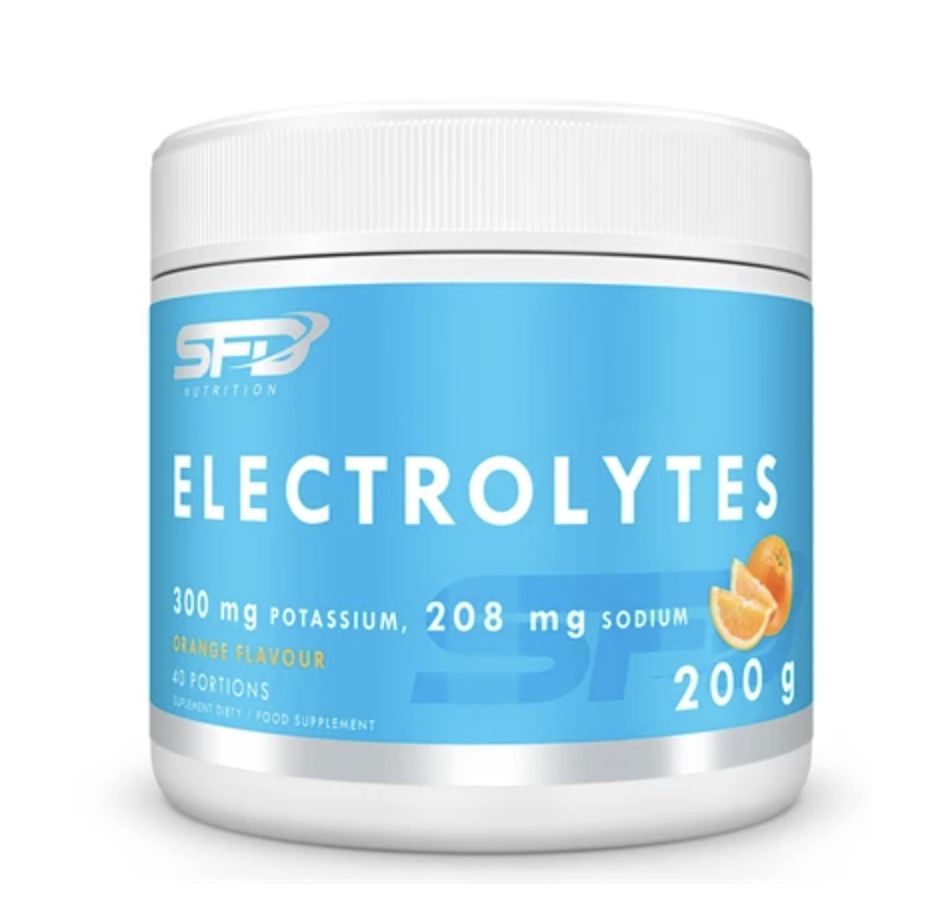
THE main electrolytes that our bodies require include calcium, magnesium, phosphorus, sodium, potassium and chloride. These are electrically charged minerals that are crucial for hydration, nerves, movement and our ph balance.
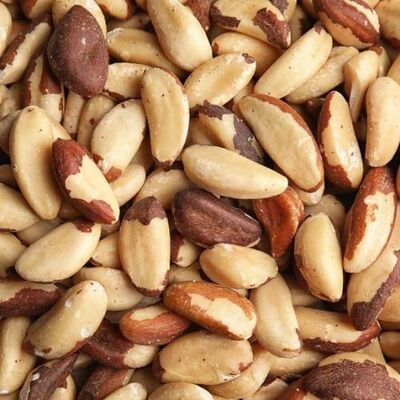
These minerals dissolve in our bodily fluids (blood, sweat and urine) to maintain life. You can get enough of these minerals from foods like dairy (cheese, milk and yoghurt), baked beans, cashew nuts, lentils, potatoes and coconut water. It’s quite simple – if you have enough of these foods in your diet, you won’t need any electrolyte supplements. So it is almost always the case that extra electrolytes are not needed.
But there may be certain instances in which you might need them, such as after an illness, particularly one including severe vomiting and diarrhoea when rapid fluid and mineral losses occur. Postural tachycardia syndrome – sudden dizziness on standing up – might prompt your doctor to recommend extra electrolytes. Also consider added electrolytes if you are an endurance exerciser going above an hour of prolonged exercise (if you are a salty sweater) or above 2.5 hours (if a non-salty sweater).

• Lee McCusker (BA; MSc; MSc; MSc; ANutr; SENr) is a registered nutritionist from Belfast and can be found on Facebook, Instagram and Twitter. Email: attentivenutrition@gmail.com