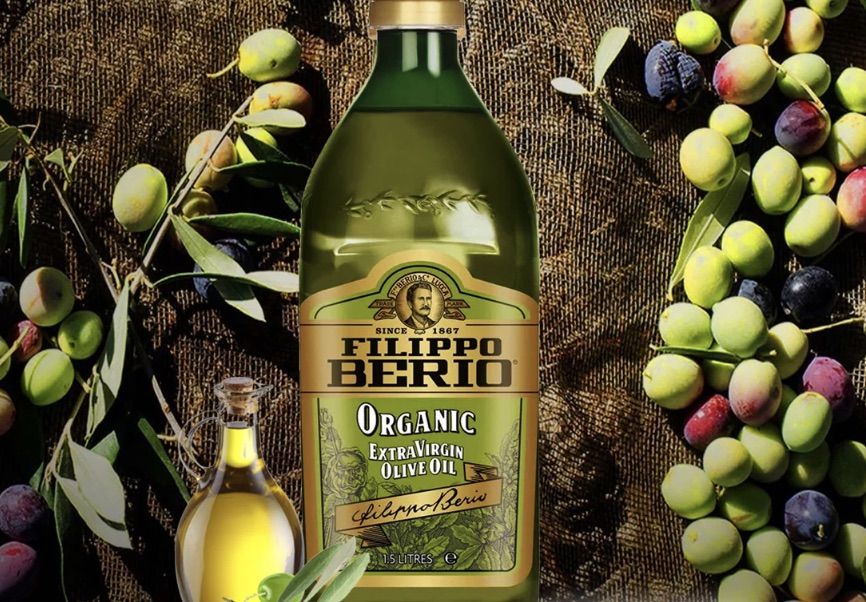
COOKING oils are great processed foodstuffs that play a key role in a healthy diet. They contain plant sterols which lower cholesterol, as well as vitamin Km which helps with blood clotting and bones, and vitamin E, which is an antioxidant. Antioxidants may protect against inflammatory diseases.
Oils also have essential fats (Omega 3, 6 and 9) which have roles in brain, skin and healthy cholesterol. Popular oils include olive, vegetable, rapeseed, peanut, sesame seed, corn, sunflower, soya bean, coconut, palm, flaxseed and walnut. It’s important to know that oils are 99 per cent fat and contain a lot of energy, with one tablespoon roughly about 120 calories. Try to stick to portion size, which is one teaspoon of oil. Oils are the basis for many favourite recipes and are used in different home cooking techniques from sautéing, frying, roasting and baking.

When some fats and oils are exposed to high heat they can become damaged and form harmful chemicals called aldehydes which can contribute to cancer. This is especially true for oils that are very high in Omega 3 like flaxseed and walnut, so these are better used in cold dishes. Oils are sensitive to light, oxygen and sometimes heat so it’s important to store them correctly in dark, cool and dry places to prevent them from going rancid. Palm and coconut oil are higher in saturated fat and too much (going above 20g-30g for females and males respectively) can raise cholesterol which is a risk factor for heart disease.
• Lee McCusker (BA; MSc; MSc; MSc; ANutr; SENr) is a registered nutritionist from Belfast and can be found on Facebook, Instagram and Twitter. Email: attentivenutrition@gmail.com