WHITE bread is not inherently bad or toxic, despite the fact that increasing numbers of consumers view it with suspicion and doubt.
Go for wholemeal and wholegrain, we’re told — it has more fibre and is therefore the healthier choice. ‘Best of Both’ and 50/50 options are also becoming ever more popular.
The fibre bit is true and since most adults where we live aren’t meeting the fibre recommendations of 30g per day, wholemeal and wholegrain can be a good choice. But does white bread have fewer nutrients?
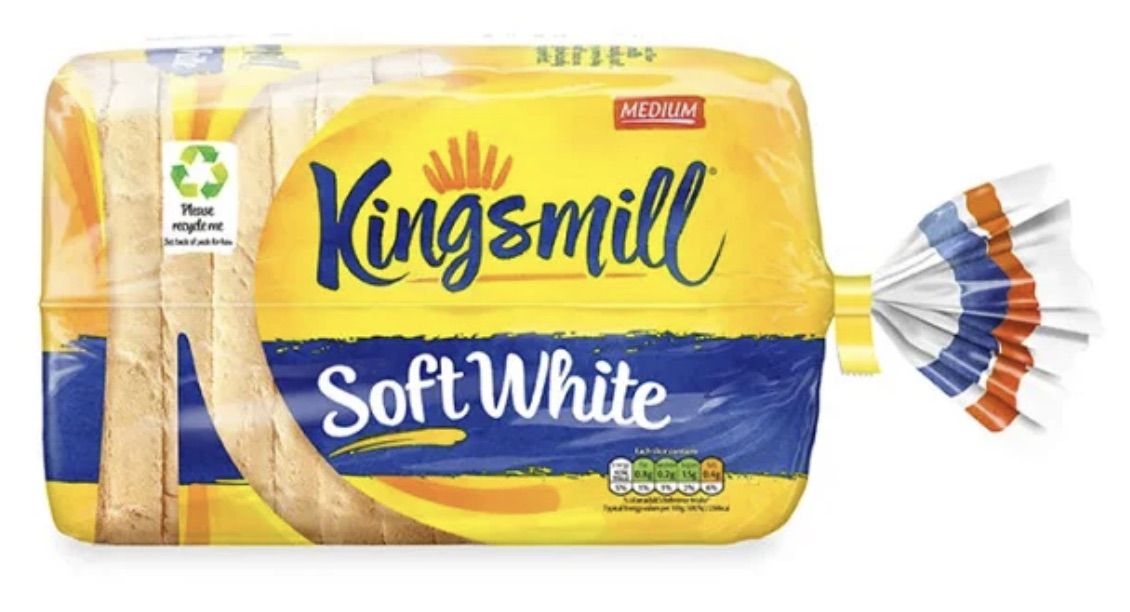
In a fibre context, yes, but in a vitamin and mineral context, no — not if the bread was baked here. This is because where we live nutrients that are lost through processing of the wheat to make white flour — vitamins B1, B3, calcium and iron for instance — have to be added back into the product by law. This is called fortification. Just read the ingredients of brands like Brennans, Kingsmill, Ormo, Irwin’s, Hovis, Sunblest etc.

High fibre foods keep us feeling fuller for longer and could mean fewer trips to the cupboard when weight-watching. But white bread can be a good alternative for children and athletes, who have higher energy needs over a day. This is because if children and athletes solely went for wholemeal and wholegrain bread then it may keep them feeling fuller for longer and could mean them not achieving their required energy or calorie needs over a day.
It can be a good idea to mix up white and brown to ensure that fibre needs are still met.
So white bread is not as bad as we’re told and there’s no need to avoid it. But it should be consumed in line with the context provided in this article. And of course, always remember to stick to portion sizes, as with any starch.
Lee McCusker (BA; MSc; MSc; MSc; ANutr; SENr) is a registered nutritionist from Belfast and can be found on Facebook, Instagram and Twitter.
Email: attentivenutrition@gmail.com