IN August 1993, Sinn Féin in Belfast marched for the first time to Belfast City Hall. It was a seminal moment, led by republican women, when the right to march, assemble and express republican opinion in Belfast was made visible as thousands remembered internment, and also gave expression to the growing momentum for a just peace.
That night the UDA shot dead Sean Lavery, the 21-year-old son of Belfast Sinn Féin Councillor Bobby Lavery, at their family home in North Belfast. Bobby’s brother Martin had been killed in front of his three children eight months earlier.
Eleven days earlier the home of Sinn Féin Councillor Annie Amrstrong, last week’s recipient of the Person of the Year Aisling Award, was attacked as she and her children were in it.

Loyalist statements at the time used derogatory terms when referring to Sinn Féin elected representatives, and spoke of “pan-nationalist fronts”, not only justifying an increasing murderous campaign but also trying to terrify an entire community from supporting the emerging electoral force of Sinn Féin and its republican message.
The unconscious political bias of media reporting at the time meant that the evident hidden hand of the British state was not examined while parroting these statements. They emerged after the shipment and distribution of weapons across loyalism by British military intelligence agents. After the unprecedented increases in loyalist killings and attacks. After the clear political developments in the political sphere which we are now calling the “end game” of the conflict. Those statements were as directed as the distribution of intelligence files and running of agents.
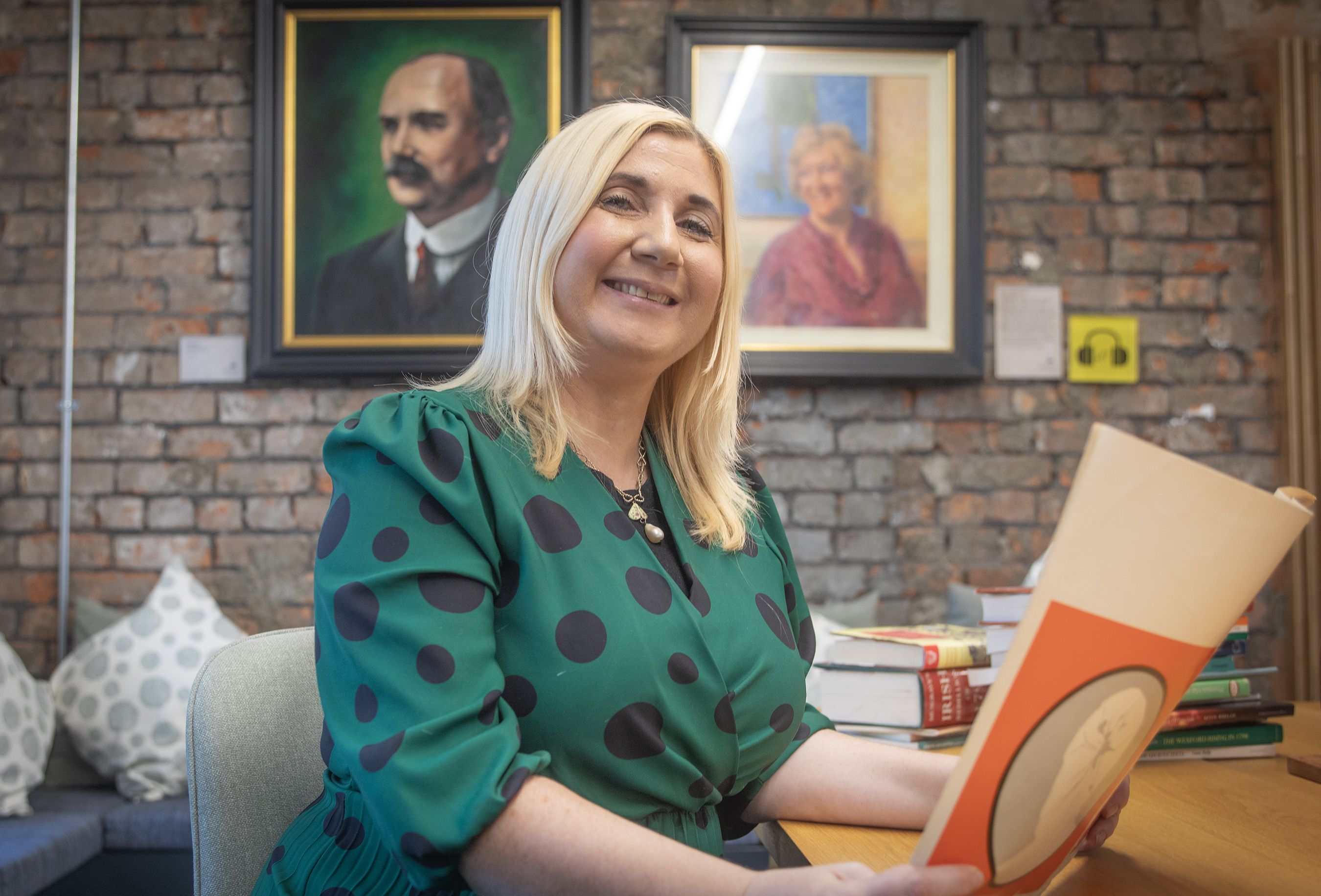
That unconscious bias is alive and well. The extraordinary targeting of Councillor Siobhán McCallin last week reeked of that same mentality. Siobhán entered the political sphere as a woman known in West Belfast for her poetry and her activism on mental health. She is known for her unending positivity and kindness, and not inconsiderable energy. Some in the media thought it was appropriate to engage in a campaign against her, casting her as being involved in some conspiracy to cover up criminal damage of a portrait in City Hall.
It forced her to release a statement through her solicitor which explained that her tenure as a public servant meant she deleted personal social media accounts. This is advised by every political party when a newbie from Civvy Street comes along. It was nothing short of shameful and smacked of extreme anti-republicanism, rather than legitimate interest, that this would be turned into anything other than a good person making honest choices as they enter into the world of civic duty.
A matter of feet from the damaged portrait – which is now, thanks be to God, fully restored and re-positioned – is the office that once held the Sinn Féin councillor group. An office that was bombed with impunity. The current Sinn Féin office holds the photographs of past councillors whose homes and relatives were bombed and shot, with impunity. The policy of state collusion that fostered that is considered by some unionists as a matter of “contention”, rather than established fact.
We need more women in politics. We need more ordinary, hard working people in politics. As we enter into a new constitutional era, many of them will be Irish republicans. They need to be defended and enabled instead of targeted with old securocrat tactics that didn’t work during the conflict and will not work now.