RECENTLY I made my way to the Crescent Arts Centre to attend a talk as part of the Belfast Science Festival. Professor Daisy Fancourt was presenting ideas from her latest book, Art Cure. I arrived anticipating an engaging discussion. I left with a genuinely expanded understanding of what health and wellbeing can mean.
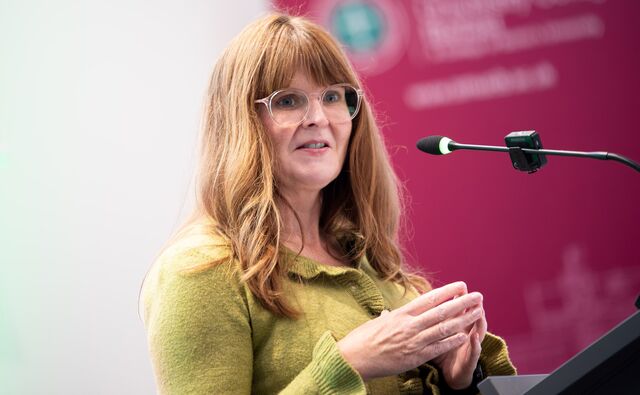
From the outset, Daisy, held the room with a calm authority. Warm and articulate, yet firmly grounded in evidence, she spoke with clarity and precision. This was not a sentimental reflection on the value of the arts, but a compelling presentation of rigorous research. Her work examines the measurable impact of creative engagement on human health, not as a pleasant diversion, but as a credible, evidence-based contributor to wellbeing.

I found the depth of the findings striking. We often describe painting, music, writing or singing as therapeutic, but rarely do we consider the scientific mechanisms behind that claim. Drawing on longitudinal studies and large-scale data analysis, Daisy demonstrated that regular artistic engagement can significantly enhance wellbeing, reduce stress levels and even contribute to improved physical health outcomes.
Perhaps most compelling was the accessibility of her conclusions. This is not about professional mastery or artistic excellence. According to her research, as little as ten to fifteen minutes of daily creative activity can produce measurable shifts in mood and overall wellbeing. That modest investment of time has been shown to lower cortisol levels, support emotional regulation and strengthen social connection.
She also explored the intersection between the arts and public health policy, education and community care. The data presented indicated reduced GP visits among those who regularly participate in creative groups, improved recovery outcomes in certain clinical contexts and meaningful benefits for individuals experiencing anxiety or depression. Importantly, she emphasised that the arts are not a substitute for medical treatment, but rather a complementary and accessible support.
The setting itself added resonance to the evening. Discussing the transformative capacity of creativity within a space dedicated to artistic expression felt particularly fitting. The audience remained fully engaged, reflecting perhaps a shared recognition of the quiet but profound role creativity plays in our lives.
By the close of the event, there was a clear sense of reflection and inspiration in the room. Professor Fancourt’s strength lies not only in her academic credibility, but in her ability to bridge the gap between scientific research and everyday practice. She communicates in a way that is both empowering and practical.
If you have not yet encountered her work, I would strongly encourage you to do so. Her appearances across BBC podcasts, as well as on platforms such as YouTube and Spotify, provide accessible entry points into this important research.
The evening left me reflecting on my own creative habits and, more importantly, recommitting to them. If ten minutes a day can positively influence our wellbeing, it seems a worthwhile place to begin.