A FEW weeks after the Good Friday Agreement was agreed in April 1998 I brought a delegation of the Board of Governors of Bunscoil Phobail Feirste on the Shaws Road in West Belfast to meet the British Secretary of State Mo Mowlam.
I asked for the meeting after the Department of Education had again denied funding to the school for the construction of permanent school buildings. The Department had just announced a £33 million schools building programme which excluded Irish medium schools and nurseries. I did an intense series of engagements with Mo Mowlam in the run into this meeting and she told me privately in advance that she was going to supply the funding. But she said she had not told the Department of Education officials.

The meeting with Mo Mowlam was successful and funding was made available. However, as we were leaving one of the officials said to one of the Board of Governors, “You haven’t got it yet. We will get you in the long grass.”
I overheard this and asked Mo Mowlam to bring us all back into her room where I told her, in front of everyone including the official involved, what had happened. She reiterated that the funding would go ahead. And so it did.
Nowadays, almost thirty years later, this attitude to equality and the right to acceptable school facilities remains an ongoing challenge. Despite this, Irish medium education has grown in popularity and numbers. When Bunscoil Phobail Feirste, which was the first Irish medium school in the North, opened its doors in 1970 it had eight pupils. Today there are around 8,000 pupils in Irish medium education. A fitting tribute to those dedicated activists and parents who stood up for their rights and refused to be ignored or discriminated against.
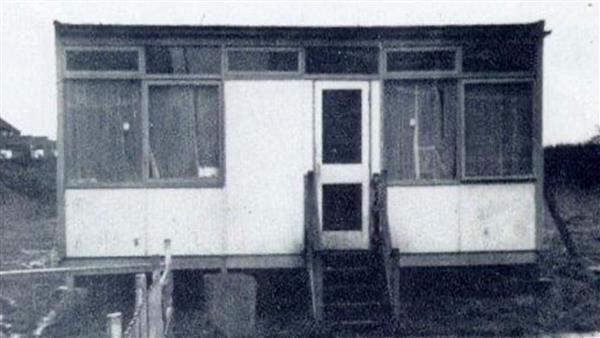
One fine example of this determination was evident last week when Gaelscoil na Móna held a celebration of its 25th anniversary. When it first opened in September 2000 on a tiny site in temporary huts behind houses on the Monagh Road in Turf Lodge there was a handful of students. Today there are around 80 and an additional 25 in the Naíscoil.
All the young people were in fine form and good voice last Thursday morning as they sang songs of celebration. P7 pupil Scarlett Harbinson performed an inspiring set of dances. Scarlett is an Irish dancing world champion. Twice. In March she won her second title, the Under-12 An Chomhdháil Craobh an Domhain.
Ciarán Mac Giolla Bhéin, Uachtarán Conradh na Gaeilge, presented the Fáinne Ór (Gold Fáinne) to Rang 7 and I had the pleasure of awarding graduation certificates to Rang 7, who will be leaving at the end of this school year. Local MLA Pat Sheehan praised the commitment of staff, parents and pupils and spoke about the enormous progress that has been made in recent years in expanding Irish medium education. However, he also reminded all of us that there are still those who oppose parity of esteem and equality for the Irish medium sector.
To tackle this Pat has introduced a new Bill into the Assembly – the Irish Medium Education (Workforce Plan) Bill. The Bill seeks to address the persistent and documented workforce shortages across all roles and phases in Irish medium education, including shortages of fluent Irish-speaking teachers, subject specialist gaps at post-primary level, insufficient classroom assistants and early years provision and gaps in Special Educational Needs support. The Bill will require the Department of Education to prepare, publish and keep under review a strategic workforce plan at defined intervals. This plan would be published within one year of the Act coming into operation.
That Pat Sheehan is having to do this is evidence of the failure of the Department to properly fund and plan for the future development of Irish medium education.
One thing is certain, however. Despite the negativity of the naysayers and begrudgers, Irish medium education has grown enormously in recent years. And however hard the DUP and others oppose Irish language rights the efforts of those who have who championed change will continue into the future. So well done to the parents and teachers, to the founders of Gaelscoil na Móna and their supporters and especially the pupils.
Comhghairdeas daoibhse.
Ireland falling short of what’s needed on Israel sanctions
ISRAEL’S brutal treatment of hundreds of international activists, kidnapped by its forces after they attacked the Global Sumud Flotilla, has been widely condemned. The flotilla of ships was trying to bring much-needed aid to the Gaza Strip.
Images of men and women activists forced to kneel with their hands bound behind them and their foreheads on the ground sparked outrage. This grew in intensity as reports emerged of systematic beatings and ill-treatment and the release of a video by Israel's far-right national security minister Ben-Gvir. He told the Israeli Parliament that he was proud of his actions “against those supporters of terror” and that the images released “are a great source of pride.”
Among those assaulted and kidnapped by the Israeli military were 14 Irish citizens, including Dr. Margaret Connolly, the sister of Uachtarán na hÉireann Catherine Connolly. After her release, 67-year-old Margaret described her three days in captivity as “barbaric, cruel, ugly, and violent”. She described the conditions they were held in as horrific. Among those kidnapped she said there were “35 fractures, five head injuries, up to 16 sexual abuses, ear injuries, and eye injuries. Absolutely numerous taser burns to the back and genitals... fifty of us sleeping beside each other in a filthy container with no food for three days and not enough water. There was nothing to clean wounds in.”
Irish Foreign Minister Helen McEntee joined in the international criticism, saying she was “appalled and shocked” by the images. However, her condemnation rang hollow when the government announced that it was finally progressing the Occupied Territories Bill but was excluding the provision of services from the legislation. Restricting the ban solely to the trade in goods will only have a minor impact on Israel. The greater volume of trade between the Irish state and Israel (approximately 70 per cent) takes place within the service sector: technology and software; IT services; tech products; tourism and hospitality; financial and business services.
When the Occupied Territories Bill was first introduced eight years ago its purpose was to act as a meaningful sanction against Israel. Excluding services from the Bill fails to achieve this. Nor can we judge the veracity of the government’s claim that its legal advice rules out including services because the government refuses to publish this advice.
As Uachtarán Shinn Féin Mary Lou McDonald said in response: “International law is clear. The ruling of the International Courts of Justice makes no distinction between goods and services. The Oireachtas Foreign Affairs and Trade Committee recommended the inclusion of services in their pre-legislative report. Let’s not forget, the Occupied Territories themselves are illegal and trade with them is illegal. Nobody should be trading with and profiting from illegal settlements and the occupation.”
Fianna Fáil and Fine Gael have spent eight years stalling this legislation. That must end and services must be included in the legislation. Anything less is a slap in the face to the people of Palestine. Margaret Connolly said: “The cause of Palestine is the moral compass of our time.” She is right and on its current stance the Irish government’s moral compass is broken.
The heat is on
DID you enjoy the weekend? The blue skies and warm weather?
The walk along the top of Black Mountain was busy with those of all ages enjoying the sun and the heat. Our parks and public spaces were full of people making best use of the hot weather. It’s hard to imagine at such times that shifting weather patterns and climate instability, as a result of humanity’s pollution, is threatening the stability of our world.
But it is.
Three weeks ago the ‘European State of the Climate’ report was published, bringing together the work of 100 scientific contributors and providing an overview of the threat to our climate.
The report revealed that globally 2025 was the third warmest year on record and that each of the past 11 years has been among the 11 warmest on record. Europe is now the fastest warming continent on Earth. The result is that glaciers in all European regions saw a net mass loss; the annual sea surface temperature for Europe was the highest on record; and wildfires burned over the largest area on record.
To add to this alarming situation, European Climate Commissioner Wopke Hoekstra warned that the Gulf Stream, which keeps Europe warm in the winter, could collapse within a few decades.
This would have devastating consequences, not least for Ireland, in terms of droughts, impacting fish stocks and bringing chaos for farmers.
Governments have to do more. Climate deniers have to be challenged. Our future, the future of our children and grandchildren, depends on the decisions we take now as a society.
In our own place Lough Neagh is a stark example of the need for urgent action to protect our precious natural resources.