OSTEOPOROSIS is a condition where bones become thin and their strength is reduced. This makes them more likely to break. It affects both men and women but is most common after the menopause.
Osteoporosis is often only diagnosed when a fall or sudden impact causes a bone to break (fracture). Diagnosis comes from checking your bone mineral density on a DEXA scan. During childhood and early adulthood our bones are strengthening but from our mid-30s our bones start to lose calcium that keeps them strong. A bone strengthening diet is useful at any age with calcium and vitamin D being very important.
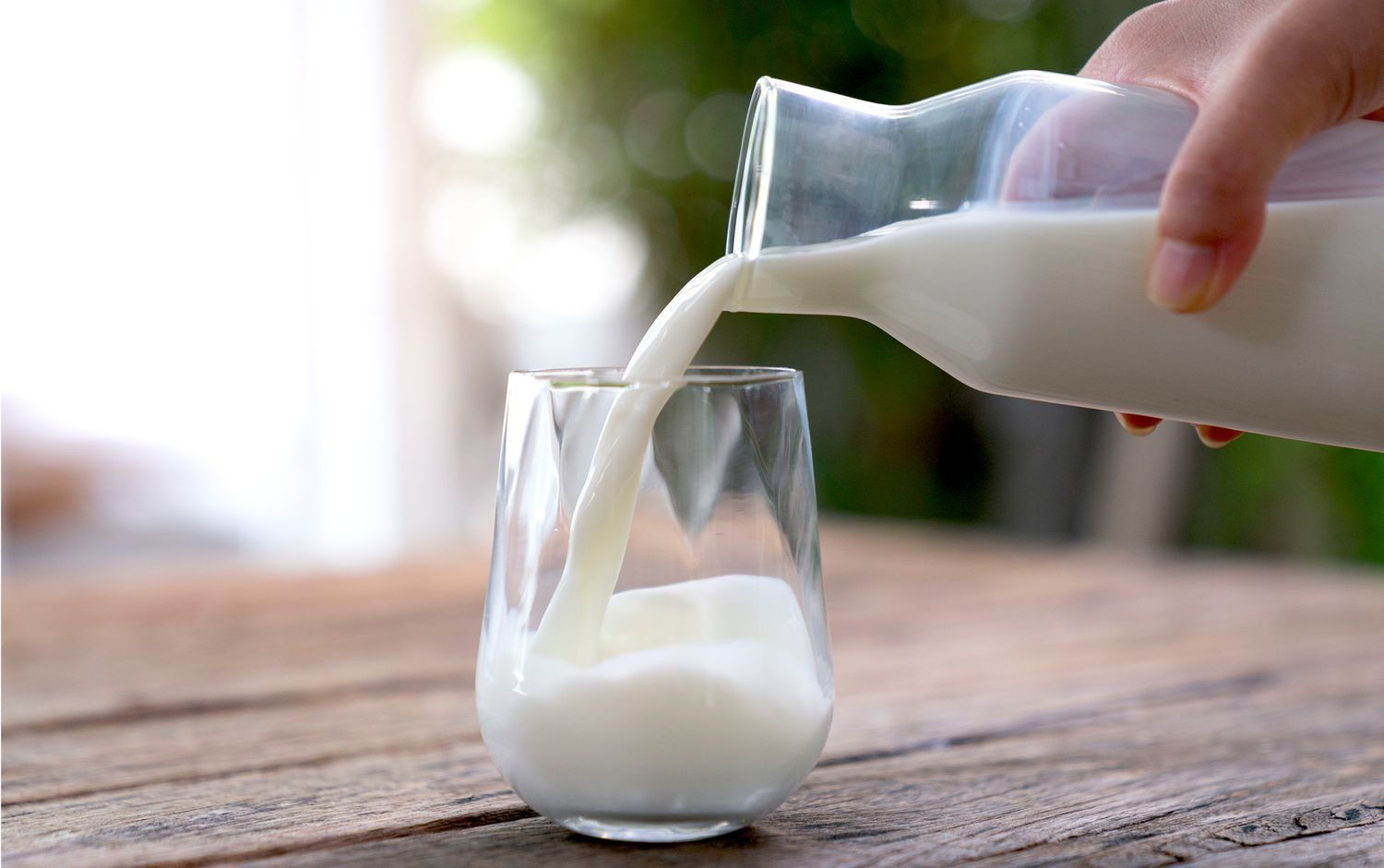
An ideal calcium intake for adults and growing teenagers is around 700mg-1000mg per day. Teenagers are up towards the higher end of this scale. Good sources of calcium include cow’s milk, cheese and yoghurt. 250mls of semi-skimmed milk, 125g of low fat Greek strained yoghurt and 30g of low-fat cheddar cheese will help you achieve around 700mg of calcium daily. If you double the milk portion to 500mls this will take you up to 1000mg of calcium which is important for young people growing especially teenagers.
Plant based milks (almond, cashew, coconut, hazelnut, oat, rice, soya) have calcium added to them so people that those who are vegan don’t become deficient. Spinach, dried fruit, beans, seeds and nuts contain calcium, but chemicals called oxalates in these foods restrict it being absorbed so you shouldn’t rely on these as your main source. If you find it hard to make up calcium intake try a supplement. Vitamin D helps calcium get absorbed in the body and without this calcium is useless. So, try a vitamin D3 supplement containing 10ug daily.
• Lee McCusker (BA; MSc; MSc; MSc; ANutr; SENr) is a registered nutritionist from Belfast and can be found on Facebook, Instagram and Twitter. Email: attentivenutrition @gmail.com