A NORTH Belfast project has received £189,669 support from the International Fund for Ireland ( IFI) through its latest funding allocation.
Duncarin Community Partnership (DCP) and Limestone United will deliver a joint cross-community programme for a two year period across the areas of Tiger’s Bay, New Lodge, Duncairn, Alexander Park, Limestone Road and Newington/Antrim Road areas.
Duncairn Community Partnership is well known through the IFI’s Peace Barriers Programme. Its successful engagement with local residents has resulted in the removal, redesign and re-imagining of numerous peace barriers throughout the lower North Belfast area.
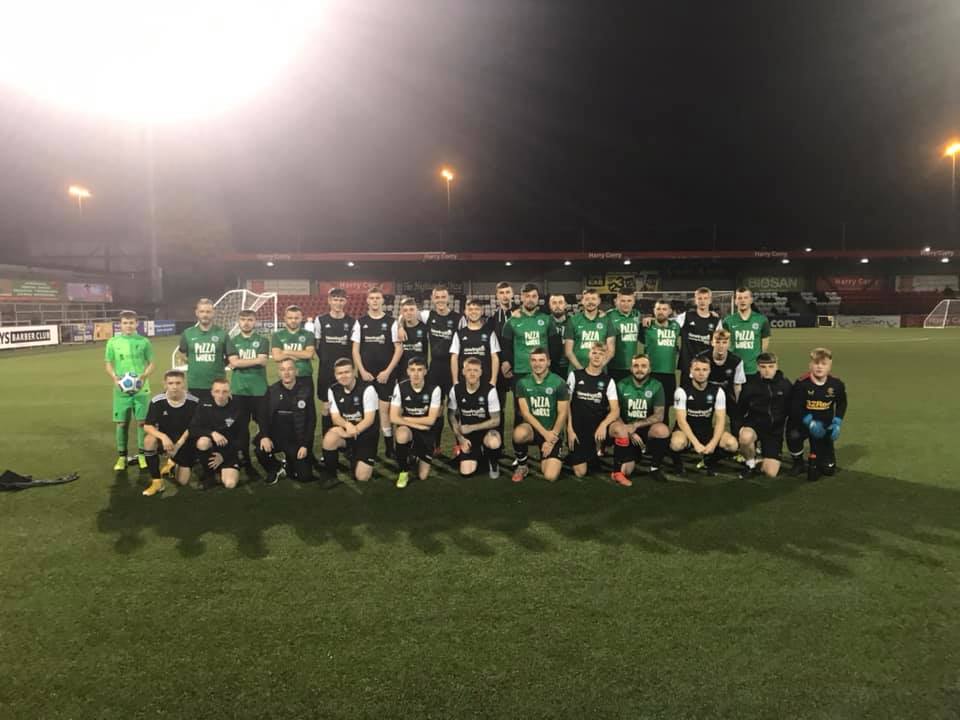
Through a newly formed Youth Providers Forum, DCP will deliver this project in partnership with Limestone United, which is a cross-community football team that has been operating for seven years as a voluntary partner in projects involving high risk young people, their peers, parents and local communities surrounding interface areas.
The project will be funded through the IFI’s Personal Youth Development Programme (PYDP). It targets the most at risk young people who have complex backgrounds including leaving education early, are vulnerable to paramilitary recruitment, suffer from substance abuse, poor mental health issues, have been affected by homelessness and have been or close to the criminal justice system.
PYDP projects connect young people to personalised routes to learning, skills and employment opportunities. This tailored approach helps improve confidence and personal resilience, develop a better understanding of culture and identity and develop practical skills that improve employment prospects.
This funding will allow DCP and Limestone United to deliver a series of Good Relations workshops that cover topics such as sectarianism, flags and emblems. One to one mentoring and personal development sessions will also be offered alongside upskilling with a range of accredited courses and employability training.
It is also hoped that participants will benefit from training in community leadership, crisis intervention and mental health so they can provide a positive influence around interface areas and help diffuse future tensions that may arise.
The IFI was set up by the British and Irish governments as an independent organisation in 1986. It delivers a range of peace and reconciliation initiatives across the North and the southern border counties.
IFI Chairperson Paddy Harte said: “Peace building in any context is a slow process, but we are committed to supporting and empowering communities. Over the last 35 years, we have achieved a lot by implementing innovative programmes and initiatives aimed at tackling the most difficult issues and reaching out to marginalised communities.
“There is still however much work to be done as we continue to work against an incredibly challenging backdrop of instability where many simply feel that the peace process has alienated them and left their communities behind.
“Through our work we believe that continued partnership and collaboration will enable communities to evolve and ultimately create better lives and futures for all. Our work is more important than ever, and we are greatly encouraged by the difference our projects are making at a grass roots level daily.
“Difficult conversations have resulted in the removal of peace walls, some which have stood for more than 40 years. In the last year alone, we have diverted more than 3,000 young people away from paramilitary recruitment, with more than 3,200 young people achieving a range of accreditations and a further 528 in further education and training.
“This latest support package of £476,469 will provide much needed support, benefiting communities who need intervention the most.”