DOES running make your bones weak? The simple answer to this is that it depends on the dynamics of the situation, which this article will explain.
The science tells us that weight-bearing exercise, which includes running and walking, is beneficial to bone health and reduces fracture risk in children and adults. This is particularly true if the person has a sufficient calorie intake that is coupled with a sufficient intake of vitamin D3, calcium and vitamin K, which all play a key role in bone health.
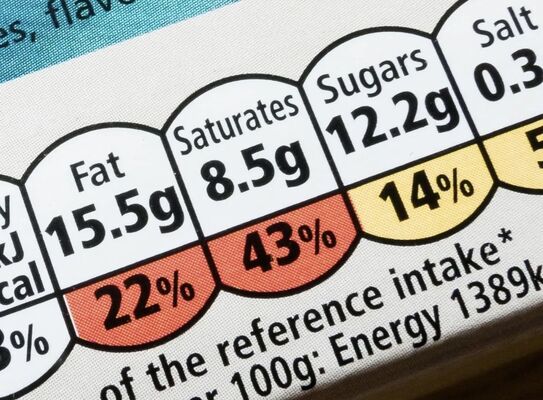
Basic calorie requirements from the Eatwell guide are 2K to 2.5K calories per day for females and males but people who exercise will usually need more. Vitamin D3 you can get from sunlight between April and September on the island of Ireland., or a vitamin D3 supplement as a contingency if the sun isn’t shining. The best source of calcium is dairy and/or, if you are vegan, most plant-based milks, which will have calcium addded. Vitamin K is found in asparagus, broccoli, brussels sprouts, cabbage, cucumber and kale, to mention a few.

So why do people say running makes your bones weak? Well, running will indeed make your bones weak if you aren’t taking in enough calories alongside insufficient vitamin D3, calcium and vitamin K. For example, if a female isn’t taking in enough energy in the form of calories this will lead to low body fat which will affect the menstrual cycle and production of the hormone oestrogen. Oestrogen plays a key role in calcium absorption but a lack of this hormone being produced will mean less calcium being absorbed and weaker bones for the female.
For a male, a lack of sufficient calories can affect a hormone called insulin growth factor one (IGF-1) doing its job – it plays a key role in growth and development of bone. So the misleading information comes from when people think it’s the running, but really it’s the insufficient dietary intakes that are causing the weakness.
Lee McCusker (BA; MSc; MSc; MSc; ANutr; SENr) is a registered nutritionist from Belfast and can be found on Facebook, Instagram and Twitter. Email: attentivenutrition
@gmail.com