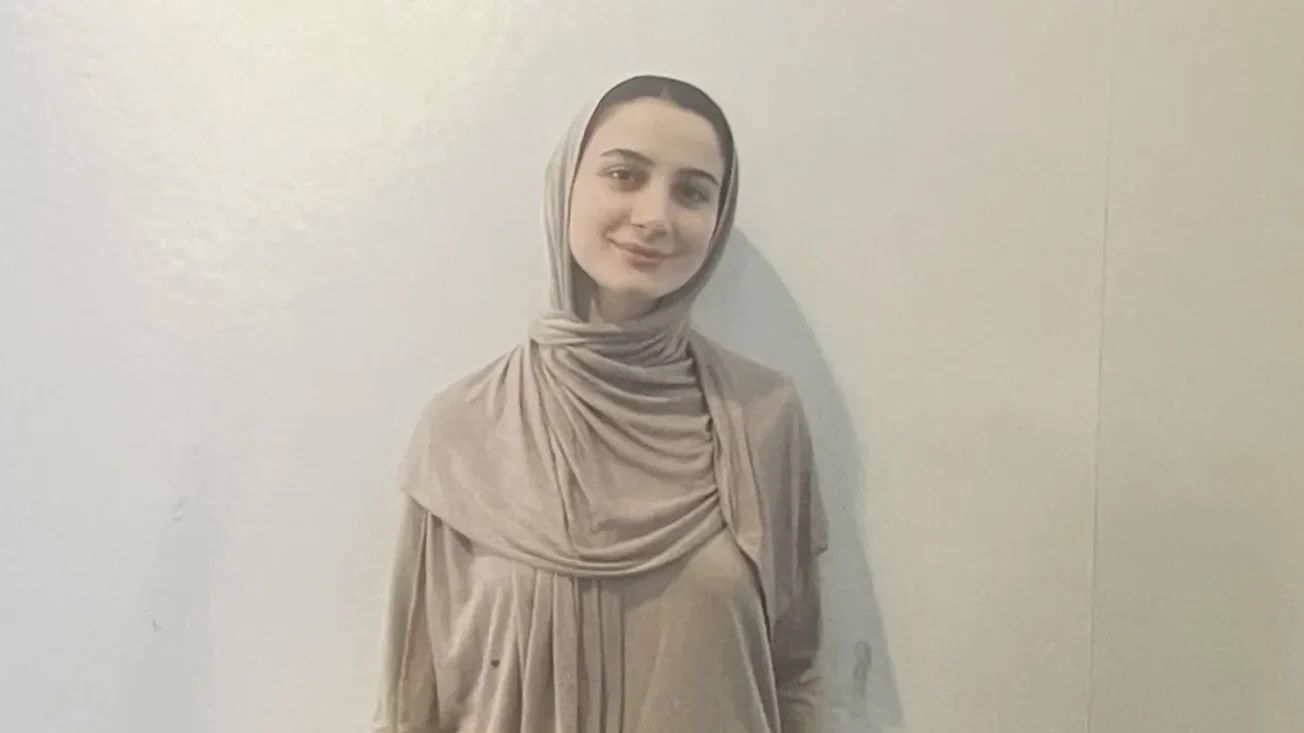
THERE is something awry with the world when it's impossible to find anywhere on the BBC mention of the fact that UK citizens are on a hunger strike in British prisons in solidarity with the beleaguered people of Palestine.
Indeed, a search of the words 'hunger strike' on the voluminous BBC website returns stories on brave souls protesting repression in Egypt, India, Iran and Uganda, but not on the prison hunger strike in their own backyard.
Apparently, nowhere within its £6 billion budget can the BBC find the resources to alert its audiences to the fact that some of these prisoners have already been moved to prison hospitals, such is their deteriorating condition. And in their shameful silence the BBC is not alone – the UK legacy media is unanimous in its insistence that there’s nothing to see here.

Needless to say, if the hunger strikers were Iranian or Russian dissidents – in our view some of the bravest and most conscientious human rights protesters on planet earth – the BBC would devote wall-to-wall coverage to their plight.
And that's how it should be when reporting on authoritarian and dictatorial regimes. But isn't the virtual broadcast ban on the pro-Palestinian protesters starving themselves to death in British prisons just aping the approach of Moscow and Tehran?
We would argue that it certainly is, but it would be wrong to suggest that Beeb bosses are taking a leaf out of the book of repressive governments abroad because this see-no-evil approach was actually perfected by the BBC right here in the North of Ireland.
How else can we explain the fact that while collusion was practiced on an industrial scale by MI5 and MI6, Special Branch and British Army Intelligence, the BBC failed to connect the dots between Thiepval Barracks and the Murder Triangle, or between RUC headquarters at Knock and bombs in Dublin and Monaghan?
So it is with a sense of weary resignation that nationalists watch the sparring over the latest reports on the Glenanne Gang and the British agent Stakeknife, aka Freddie Scappaticci. There is nothing here that the battered Catholic community, which bore the brunt of Britain's counterinsurgency strategy, did not know already.
In fact, there is much they do know which has been left out. Prime among those incontrovertible truths is that this murderous strategy was sanctioned from the very top of the British government. Reports and denials can come and go but nothing will change that fact.
In the past, when censorship stalked the corridors of Broadcasting House, these modest columns spoke up for the voiceless hunger strikers in the H-Blocks. It's only right, therefore, that we do so again now on behalf of those who hunger for justice in British jails.