I CAME across a newspaper article where the writer had an unusual take on border poll opinion surveys. According to the article, this kind of thing just deepened division. If the opinion poll figures favoured my view it’d give heart to me and people with similar thinking. But if the opinion poll showed my side was on the slide, it’d deepen division, encourage the digging in of heels, and cause uneasiness or worse. What was needed, the writer said, were opinion polls which encouraged collaboration and reconciliation.
The writer had a point. When you look at the growing figures of those intent on reuniting Ireland, it’s cheering – if that’s something you favour. You feel history is unfolding the right way. And vice versa: a slump in numbers is more likely to produce a deepened gloom and a not-an-inch mentality.
The writer’s alternative to the constant opinion polls on a reunited Ireland is to have more considered thought and conversation on what the opinion polls tell us, what challenges and dangers they present.
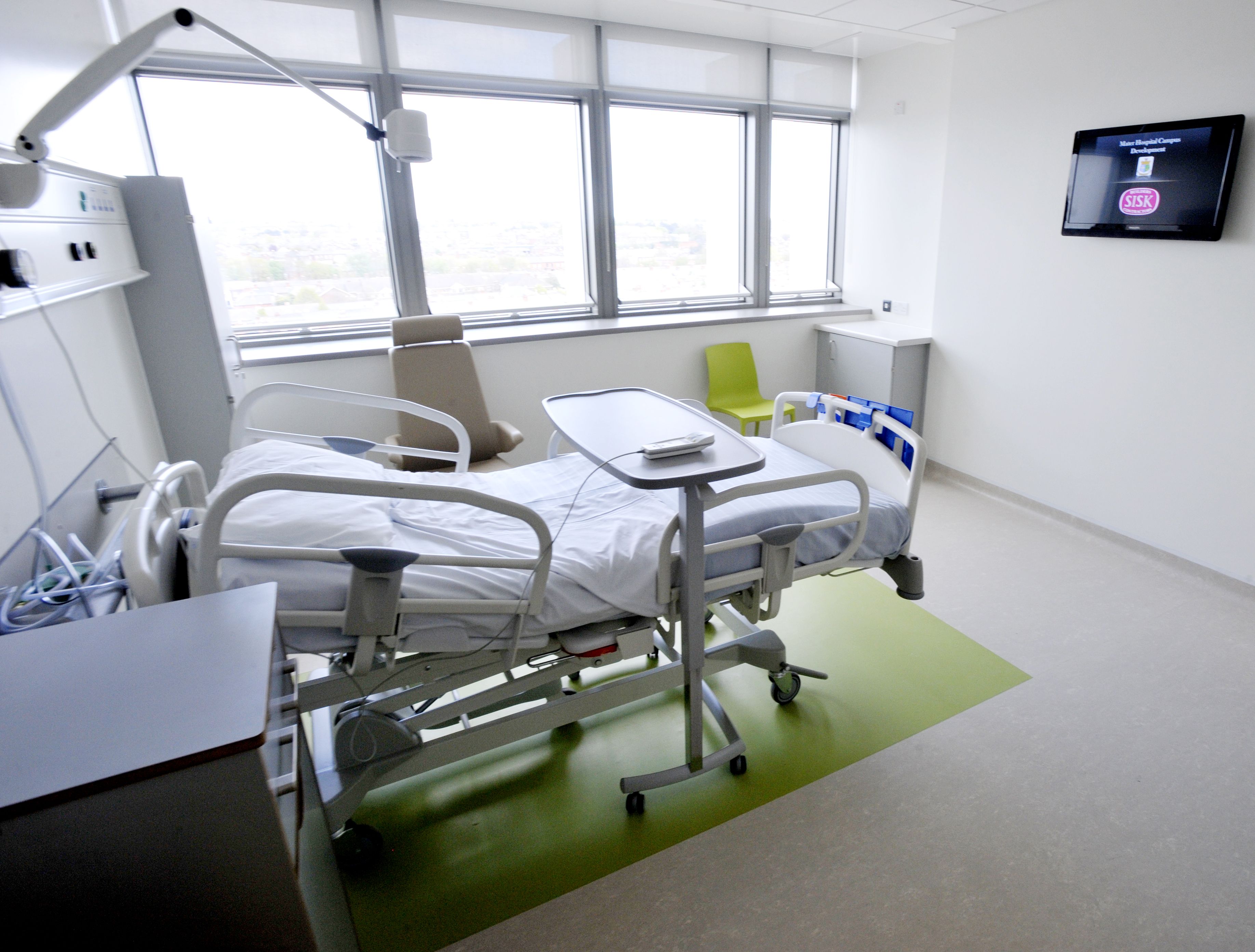
We do indeed need to consider what kind of new Ireland we have in mind. In practical terms. Take health. How would a single health system for the entire island impact on the nation’s health? What needs to go into planning for this so that everyone is included?
Transport, tourism, housing, education – there are so many features that need discussion and debate, to make for better lives for all. In some ways we’re really lucky: a New Ireland will emerge from the democratic arrangement that was the Good Friday Agreement. When partition was imposed, we were told under threat of great violence that this was how it must be.
What the writer of the article did not address, and which all of us must address, is how? How can we consider these many and varied questions, listening as well as articulating.
If you’ve heard all this before, apologies. There are many, particularly on the new Ireland side of things, who are happy to talk about a range of issues. What is lacking – and this is an absolute must – is where and how.
If you are going to plan for a new health service or a new housing service, where will the planning take place? In what building? Who will be the people doing the discussion and thought, and where will they come from? And how often will they need to meet and over what period of time?
We have seen some important progress in the where and how, with civic nationalism in the form of Ireland’s Future a stand-out example. But while their work is commendable, the heavy lifting of where and how/who can only be arranged at government level. The Assembly in the North and the Dáil in the South must build groups and provide locations for discussion and planning. It’s at that level that meetings and discussion and resolutions must be devised.
As things stand, too much is left to ad hoc groups. You want a new scanner for your hospital? Funding for cancer research? Mental health? For some reason these things are left to the goodwill and energetic action of ordinary people. But when it’s believed a matter is truly urgent, the government steps in.
How absurd that we should think for a moment that creating a new Ireland, a new country, can be done without governments being involved.
Thus far we have seen governments North and South confine themselves to fine words and flimsy initiatives. A new Ireland is coming. To quote the philosopher Roy Keane, “Fail to prepare and prepare to fail.”