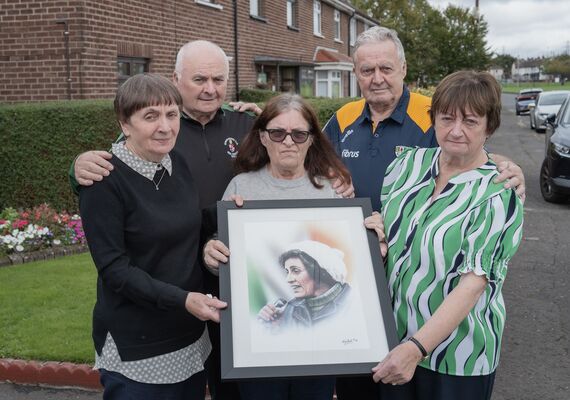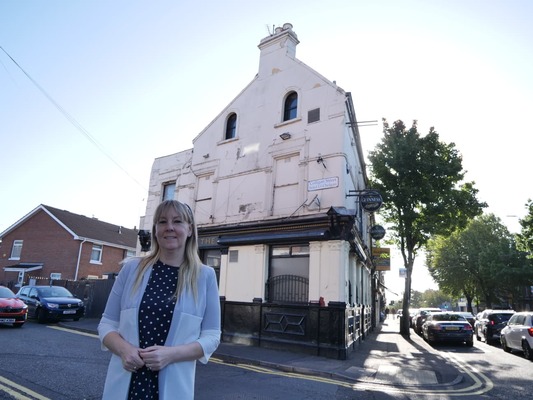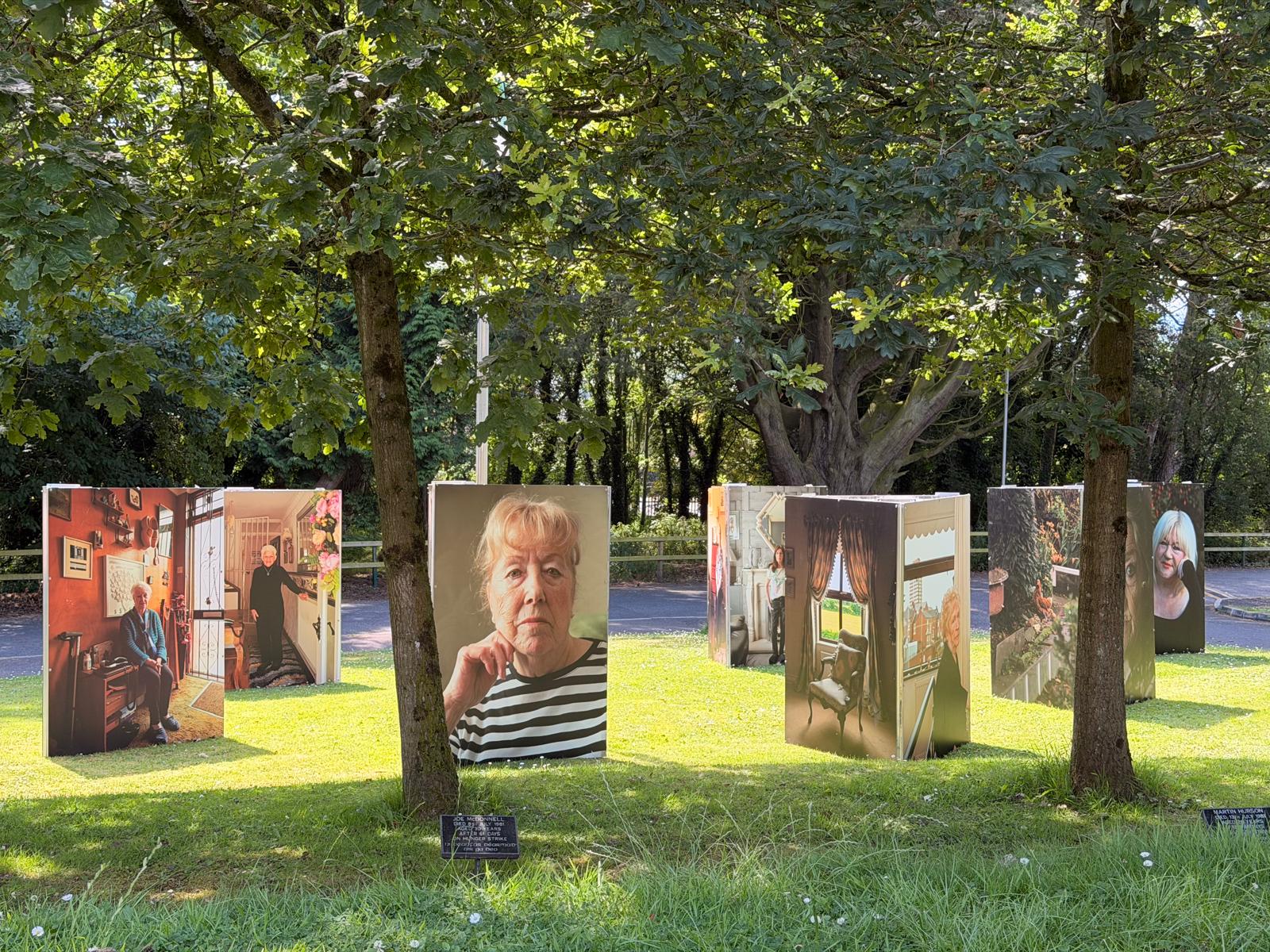
PORTRAITS of 16 bereaved mothers who lost a child during the Troubles to highlight the 25th anniversary of the Good Friday Agreement will arrive at the Roddy McCorley Heritage Centre this weekend.
The project entitled ‘It’s Different for Mothers: An Irreparable Loss’ will be on display at 4pm and will be officially welcomed by Lord Mayor Róis-Máire Donnelly.
First launched for the 25th anniversary of the Good Friday Agreement, this project captures a photographic insight into the lives of women who have been bereaved during the conflict in the North of Ireland 1968-2010 by the loss of a child in violent conflict-related circumstances. They represent women affected by all actors to the conflict, and from all walks of life.

The exhibition has been organised by Relatives for Justice.
A spokesperson said: "Maternal loss is a complex and multidimensional experience. It stands as unique and different to any other bereavement. It is experienced as a primary harm.
"This was a deeply gendered conflict, 91 per cent of those killed during this conflict were men.
"Women’s experience of the conflict was different to men’s. Mothers' experience of bereavement was profoundly different.
"This photographic project, in capturing mothers and noticing their unique experience, is the beginning of a process of noticing and acknowledging that is was different for mothers. Victims and survivors have at times been cast as disruptors, uncomfortable or even toxic players during our peace process. The result of this has been the introduction of legacy legislation which will deny victims of the conflict judicial remedy of any kind.
"This legislation has been roundly condemned from all political, international and human rights quarters. It is a denial of rights and denial of the experience of violation.
"This exhibition says clearly that these women are contributors to our peace. They tell our post-conflict society why we must never return to the days of conflict. Their experience tells us why human rights, the rights of women, the rights of children, the right to live free from conflict and in dignity are all so vitally important. They tell us dealing with the past is an act of love and care.
"By standing these portraits at the heart of a place of historical significance and during the Fleadh and Féile an Phobail, these women and Relatives for Justice offer those visiting the opportunity to bear witness and contribute to a shared future based on human rights, dignity and understanding."
The exhibition will remain on display until September.