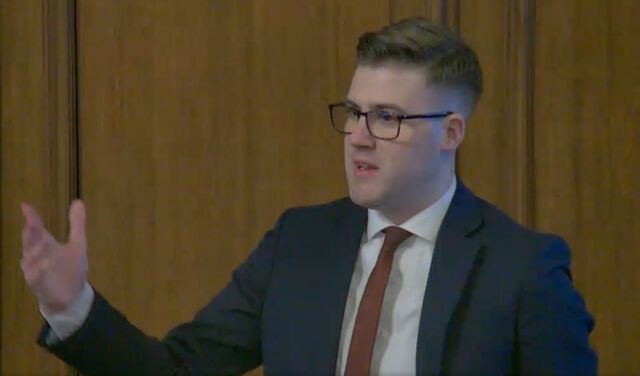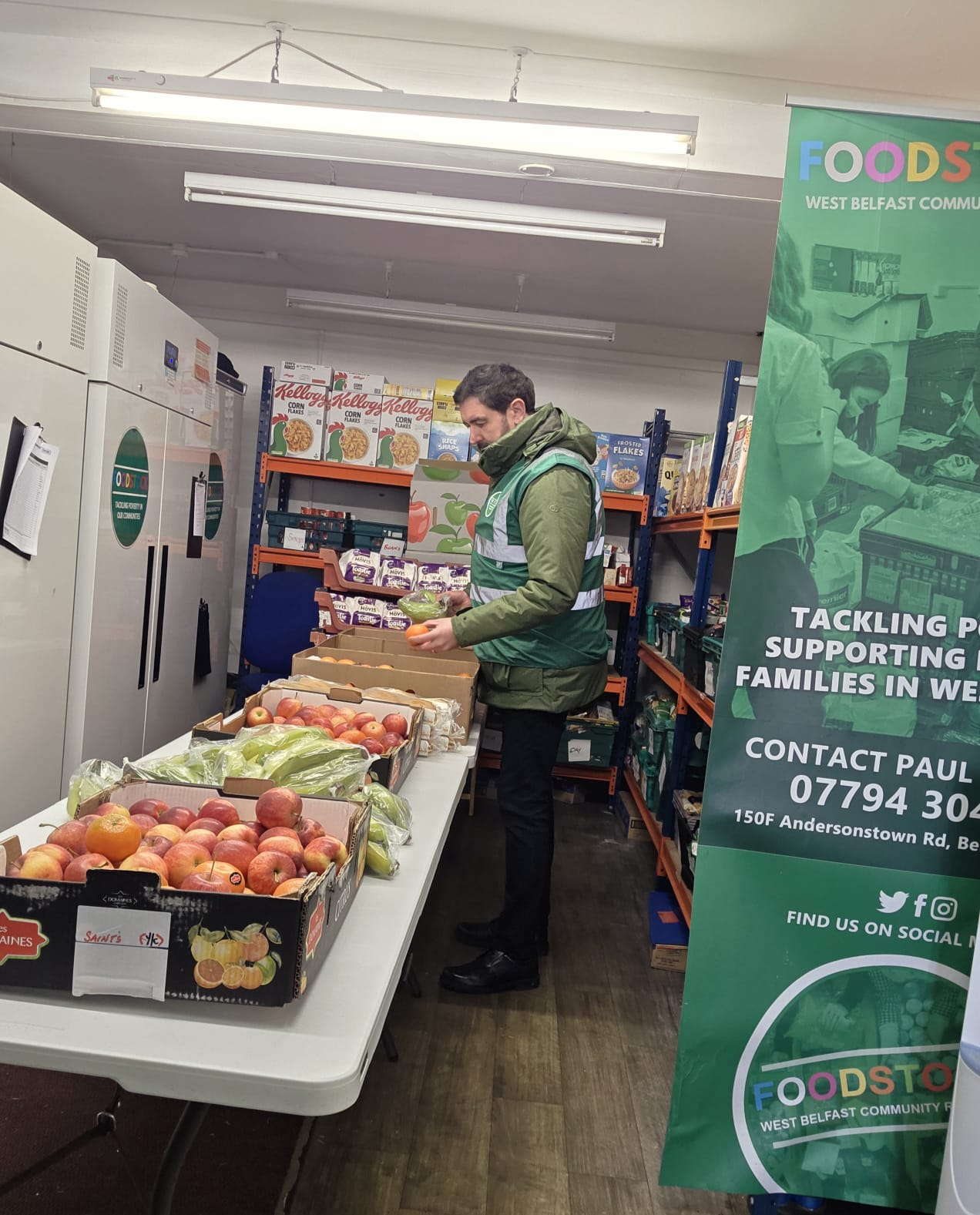
FOODSTOCK founder Paul Doherty has said the increase in school meal prices shows the North is falling further behind in tackling child hunger and educational inequality.
Mr Doherty, who is also an SDLP councillor, was speaking after the Education Authority announced that school dinner costs will rise by almost 20 per cent.
Cllr Doherty runs Foodstock charity in Andersonstown which provides meals to families who are under financial pressure. On Monday, his Foodstock team braved the snow and ice to deliver 3,400 healthy snacks for schoolchildren.
“At a time when we see expanded free school meals in the South and other parts of these islands, it is deeply concerning that families here are being asked to pay more," he said. "Instead of moving towards universal free school meals or restoring holiday hunger payments, parents are being squeezed yet again," he said.
“Through Foodstock, we are already seeing the reality on the ground. Our teams are delivering 3,400 healthy breakfasts every week, free of charge, directly into local schools. That work is about easing pressure on parents and removing one of the biggest barriers to learning – hunger.
“No child should be expected to learn on an empty stomach. When a child is hungry, their concentration, wellbeing and confidence all suffer. Community solidarity is stepping in to do what government should be doing – ensuring children are fed, supported and able to reach their potential.
“While I recognise the financial challenges facing the Education Authority, the criteria for free school meals here remains far too narrow. Many working families on low incomes fall through the cracks, receiving little or no support for meals, uniforms or basic school costs.
“The truth is this – communities are holding the line for our children. But that cannot be the long-term solution. The Executive needs to take note of what is happening on the ground and match community action with political leadership.
“Investment in free school meals is not a cost, it’s an investment in healthier children, better educational outcomes and a fairer society. If community solidarity can deliver this impact with limited resources, then surely government can do better.”