COMMUNITY organisations from across the city have come together to discuss the way forward in strengthening community development.
The Department for Communities (DfC) Neighbourhood Renewal funding programme stems from 'People and Place – A Strategy for Neighbourhood Renewal', which was launched by government in June 2003. The strategy marked the formal beginning of a long-term, place-based approach to tackling deprivation, with funding targeted at some of the most disadvantaged communities here.
While the Neighbourhood Renewal budget has remained largely unchanged for more than 20 years, the scale and complexity of delivery by community organisations has grown significantly. During that time, demand for services has increased sharply, with local groups now delivering a wide range of frontline, preventative and crisis support.
In 2020, under then Minister Carál Ní Chuilín, the Department for Communities announced a strategic review of the People and Place programme, acknowledging the need to reassess how Neighbourhood Renewal operates and how it can be strengthened to meet current and future needs. That review process is ongoing.
As part of the review, West Belfast Partnership Board has played a key role in coordinating responses from across the community and voluntary sector, engaging with organisations within the 36 Neighbourhood Renewal Partnership areas. The process has now reached a critical stage, with discussions underway about the future direction of the programme and what a new model of delivery could look like at a local level in West Belfast.
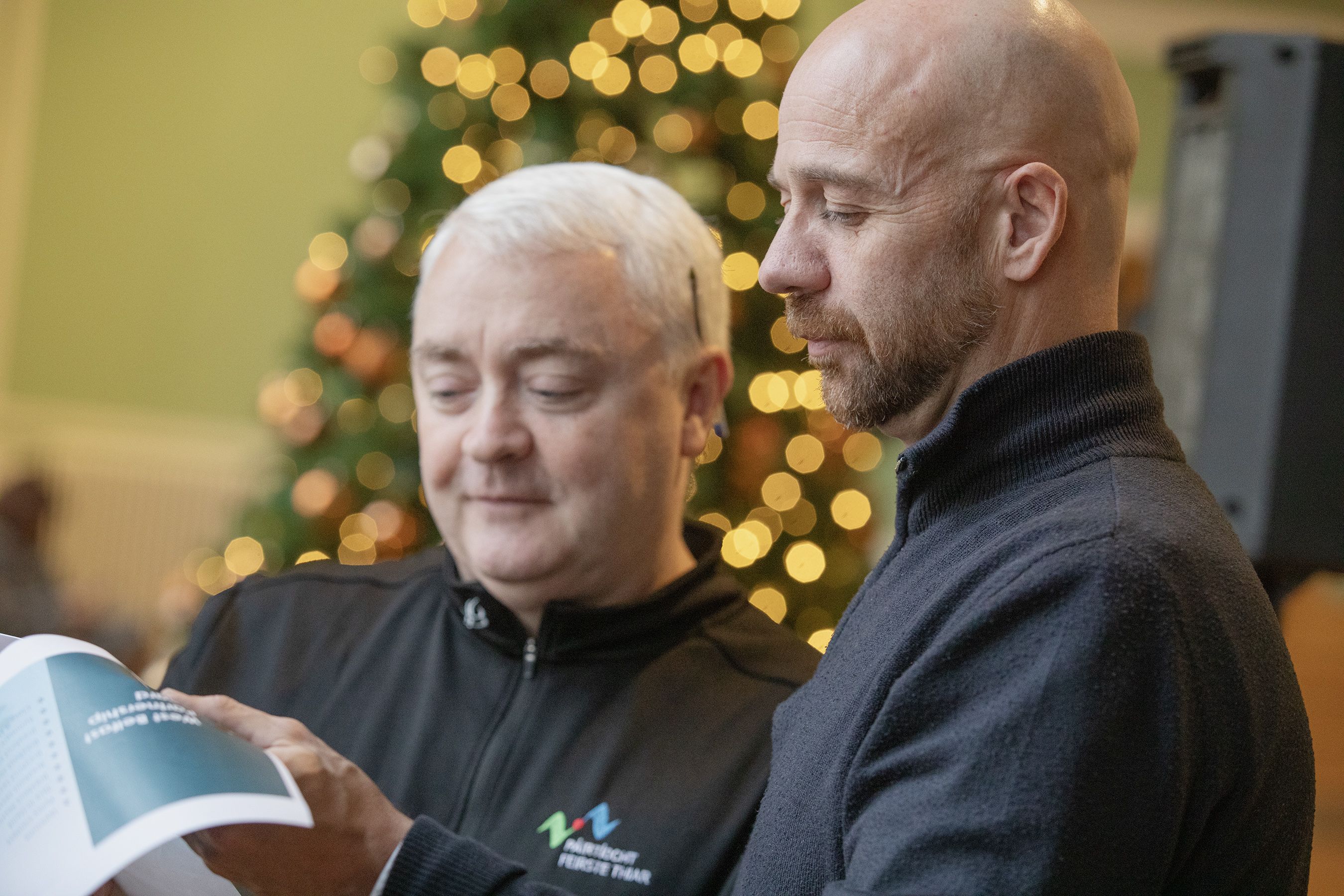
The West Belfast Partnership recently brought together community groups from across the area to explore a potential way forward with an event at St Comgall's.
Discussions focused on community development, empowerment and capacity building, as well as the challenges facing the sector and the potential role of an anchor organisation to support and strengthen delivery.
Speaking at the event, Joe Duffy, WBPB Strategic Development Co-Ordinator, said: “It is great to see so many organisations represented here today and actively playing a role in shaping the future of community development and service delivery across West Belfast.
"We want to ensure that any new model provides strong governance support, alongside training and development opportunities for local organisations, so they are equipped to deliver first-class services for our communities.
"Any future approach must be based on partnership, bringing out the very best of what West Belfast has to offer.”
Peter Lynch, CEO of West Belfast Partnership, highlighted both the value of the community sector and the pressures it currently faces.
“The community sector plays a vital role in our communities every single day. During times of crisis, it consistently leads the way — not only in providing grassroots support, but in developing strategic, outcomes-focused responses," he said.
"However, we also know the serious challenges organisations face around staff retention, recruitment and job security. These issues must be addressed in any new model of Neighbourhood Renewal.
"We need government departments to work with us to create stability in the sector and to recognise and value community organisations as key partners. That is how we will deliver real, lasting change across our communities.”
"The discussions mark an important moment for West Belfast, as local organisations seek to influence the future of a programme that has shaped community development for more than two decades."